


How to Choose the Best Areas to Invest in Dubai Property in 2026

Learn how to choose the best areas to invest in Dubai property in 2026 using real demand signals, supply risk checks, yield data, and location fundamentals.


KEY takeaways
How to Choose the Best Areas to Invest in Dubai Property in 2026
Summary
If you’re buying a property in Dubai this year, you’ll notice something: there’s more choice than ever. That’s exciting—and also confusing. With a lot of new homes completing across Dubai, the best results will come from buying in areas that stay busy with real, everyday demand—near jobs, schools, shops, and reliable transport.
This guide keeps it simple. We’ll help you match your goal (steady rent, future growth, or both) to neighborhoods that make sense in 2026. You’ll learn how to read real-world signals—commute times, nearby schools, service charges, upcoming handovers—so you’re not buying off a glossy brochure.
Why This Matters
2026 is a “quality picker’s” market. Fitch expects a moderate correction of up to ~15% in late 2025 into 2026, driven by a large supply wave (about 210,000 units projected for delivery across 2025–2026, roughly double the prior three years) after prices rose around 60% from 2022 to early 2025. (Source: Reuters)
Trends shaping returns
- Supply shock: Short-term oversupply risk in look-alike towers; resilience in connected, lived-in neighborhoods.
- Sustainability & tech: Buyer and tenant preferences are shifting toward greener, smarter communities; projects with eco features and smart infrastructure are more likely to hold value.
- Strong but competitive market: At the same time, demand is still deep: H1 2025 saw 94,717 investors completing 118,132 investments worth ~AED 326bn. That strength also means you must be more selective. (Source: Wam.ae)
What this means for you (in plain English)
- Don’t chase the flashiest brochure; choose the right micro-market.
- Prioritize connectivity, daily amenities, and realistic service charges.
- Favour projects with sustainable design and strong community management.
- Always validate with real comps (recent sale/rent data) and check near-term handovers so you’re not buying into a glut.
Bottom line: 2026 gives disciplined buyers a chance to enter better areas at fairer prices. Strategic, data-backed area selection is the difference between a smooth, steady investment and a frustrating one.
Understanding Dubai's Property Market Dynamics for 2026
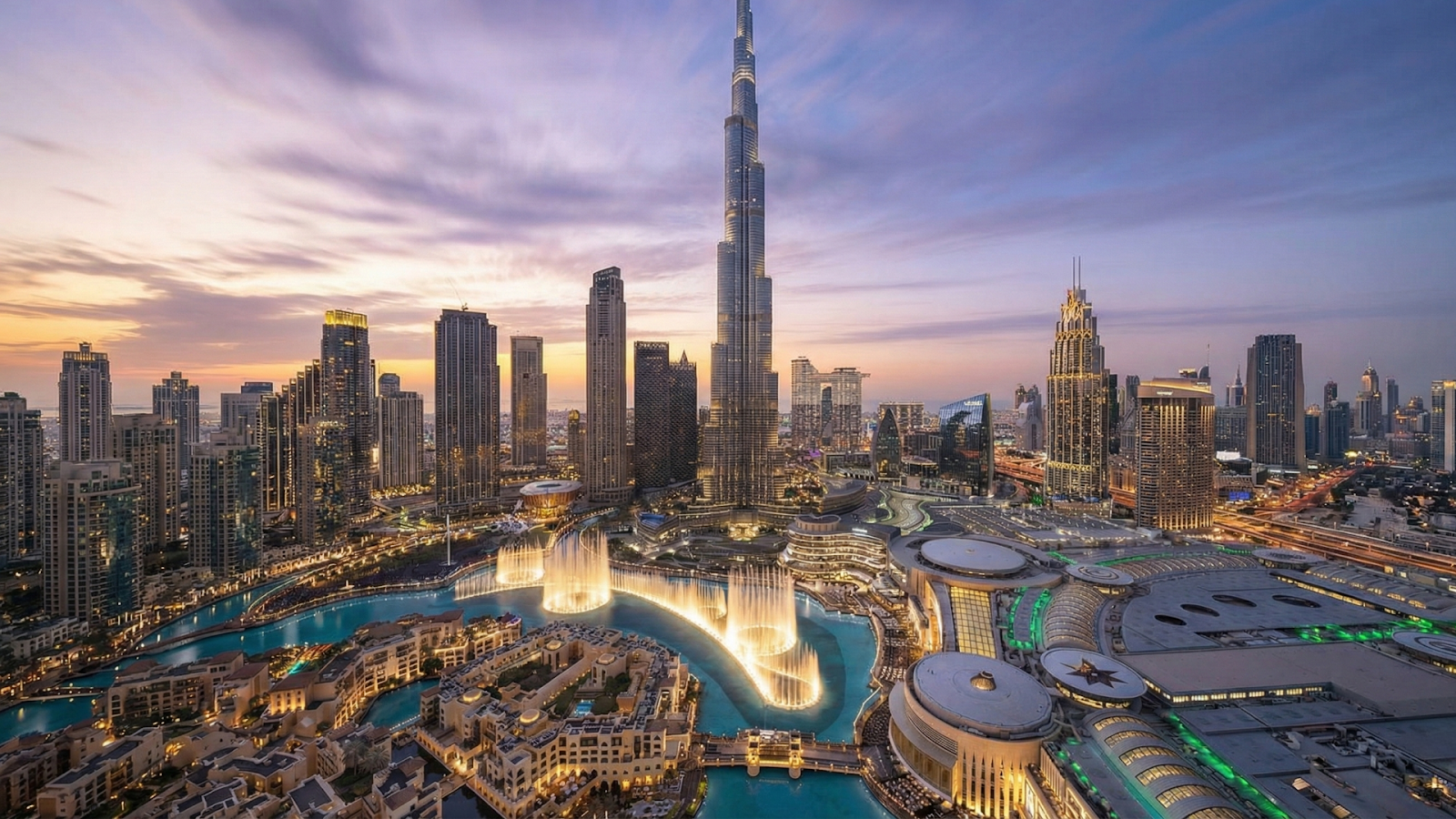
Dubai's real estate market is characterized by its rapid development, investor-friendly policies, and diverse property offerings. For 2026, several key factors will influence investment decisions.
A significant one is the projected increase in property supply. Reports indicate that 2025 and 2026 will see a substantial surge in unit deliveries, potentially doubling the supply from previous years.
This supply-heavy scenario is expected to outpace population growth, leading to a more balanced market or even a slight decline in prices in certain segments before stability is achieved .Investors should therefore focus on areas with sustained demand and unique value propositions that can absorb this new supply.
Another crucial dynamic is the growing emphasis on sustainability and technology. The Dubai government is actively promoting eco-friendly developments and smart city initiatives.
Properties that integrate green certifications, energy-efficient designs, and smart home technologies are likely to attract a premium and offer better long-term appreciation.This trend aligns with global investor preferences for responsible and future-proof investments.
Key Considerations for Area Selection
When choosing an area for property investment in Dubai, several factors should guide your decision:
- Rental Yields: High rental yields indicate strong demand from tenants, providing a steady income stream. Areas popular with expatriates and tourists often offer attractive rental returns.
- Capital Appreciation Potential: Look for areas undergoing significant infrastructure development, urban regeneration, or those with limited new supply. These factors can drive property values upwards over time.
- Connectivity and Infrastructure: Proximity to major business hubs, transportation networks (metro, highways), and essential amenities (schools, hospitals, retail) significantly enhances a property's appeal and value.
- Developer Reputation: Investing with reputable developers like Emaar, Aldar, or Meraas can mitigate risks and ensure quality construction and timely delivery. Their track record often translates to higher investor confidence and better resale value.
- Property Type and Target Audience: Consider whether you are targeting residential or commercial properties, and who your ideal tenant or buyer is. This will influence the type of property and the amenities you should prioritize.
- Future Growth Plans: Research government master plans and upcoming projects in the area. These can provide insights into future demand drivers and potential value appreciation.
How to Pick Your Area in 3 Steps
1) Choose your main goal (so the map makes sense)

- Income first (net yield): Aim for value zones with big renter pools (singles, couples, small families).
- Growth first (capital gains): Prioritize areas with infrastructure catalysts and real scarcity.
- Balanced: Blend centrality with fair pricing (efficient 1-beds near jobs/metro).
One clear goal stops you overpaying for features that don’t improve your net numbers.
2) Filter with five fundamentals (quick checklist)

- Daily demand: Jobs, schools, shops, parks—real life, not just marketing.
- Connectivity: Existing metro/highways and future lines (e.g., Blue Line).
- New supply: Handovers in the next 12–24 months near your building.
- Building economics: Service charges and realistic maintenance affect net yield.
- Developer & OA: Delivery record + strong owners’ association = better occupancy and resale.
3) Pressure-test with real numbers

Pull 6–12 months of comparable sales/rents for the exact layout you’re buying (studio vs 1-bed, view, floor). Note: off-plan still dominates, which means many handovers into 2026—so comps and handover maps matter.
Top Areas to Consider for Investment in 2026
These are representative picks to help you think clearly. Always validate with live comps, near-term handover schedules, and service-charge tables.
A) If your goal is income first (steady rent at sensible entry prices)
1. Jumeirah Village Circle (JVC)
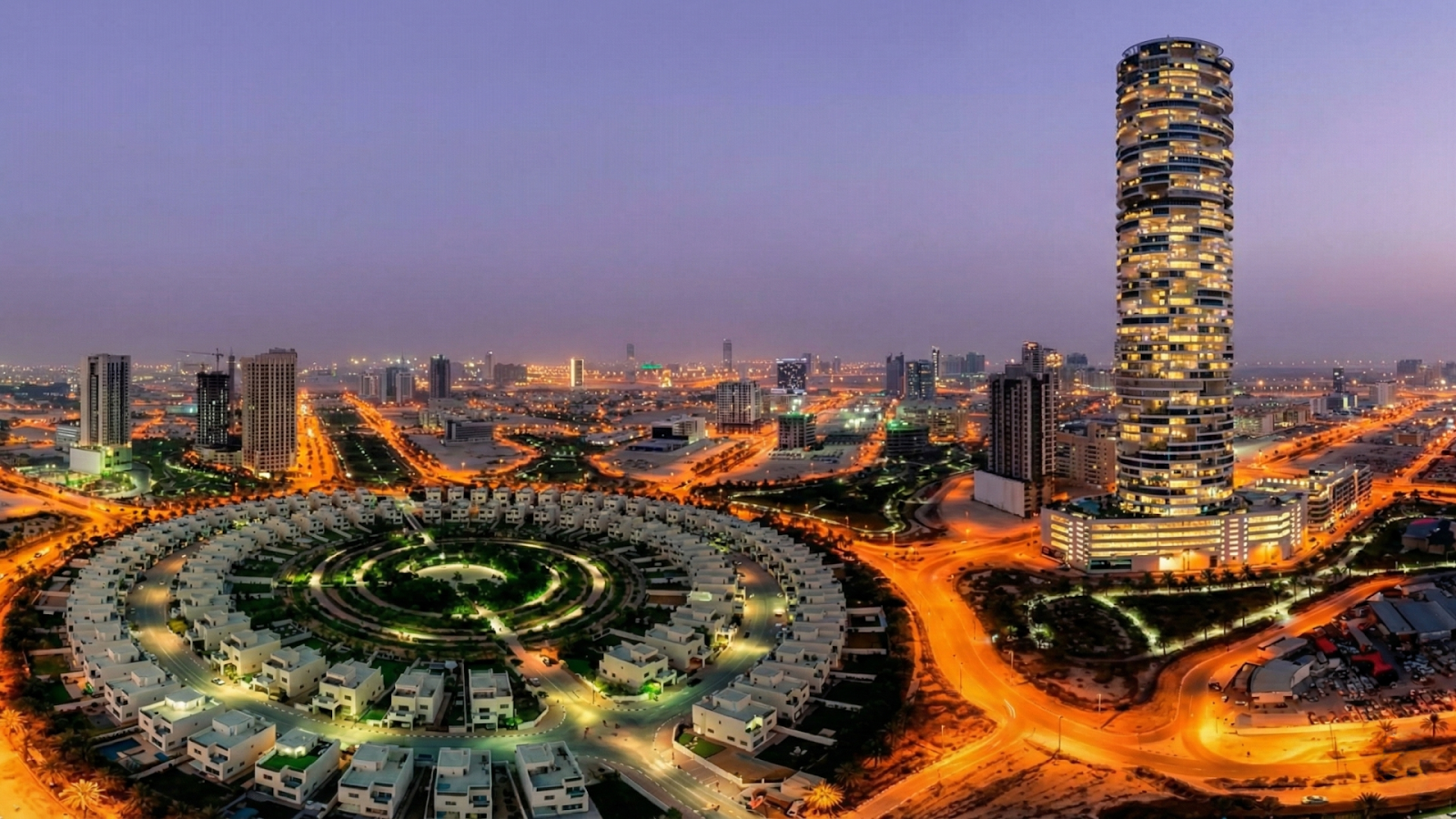
- Why it works: Large tenant base, lots of studios/1-beds, family pockets, fair entry prices.
- Good for: Mid- to high-single-digit gross yields (net depends on fees/management).
- Watch-outs: Quality varies by building; pick proven towers with realistic service charges.
- Context: With more handovers in 2026, building selection is the edge.
2. Dubai Silicon Oasis (DSO)
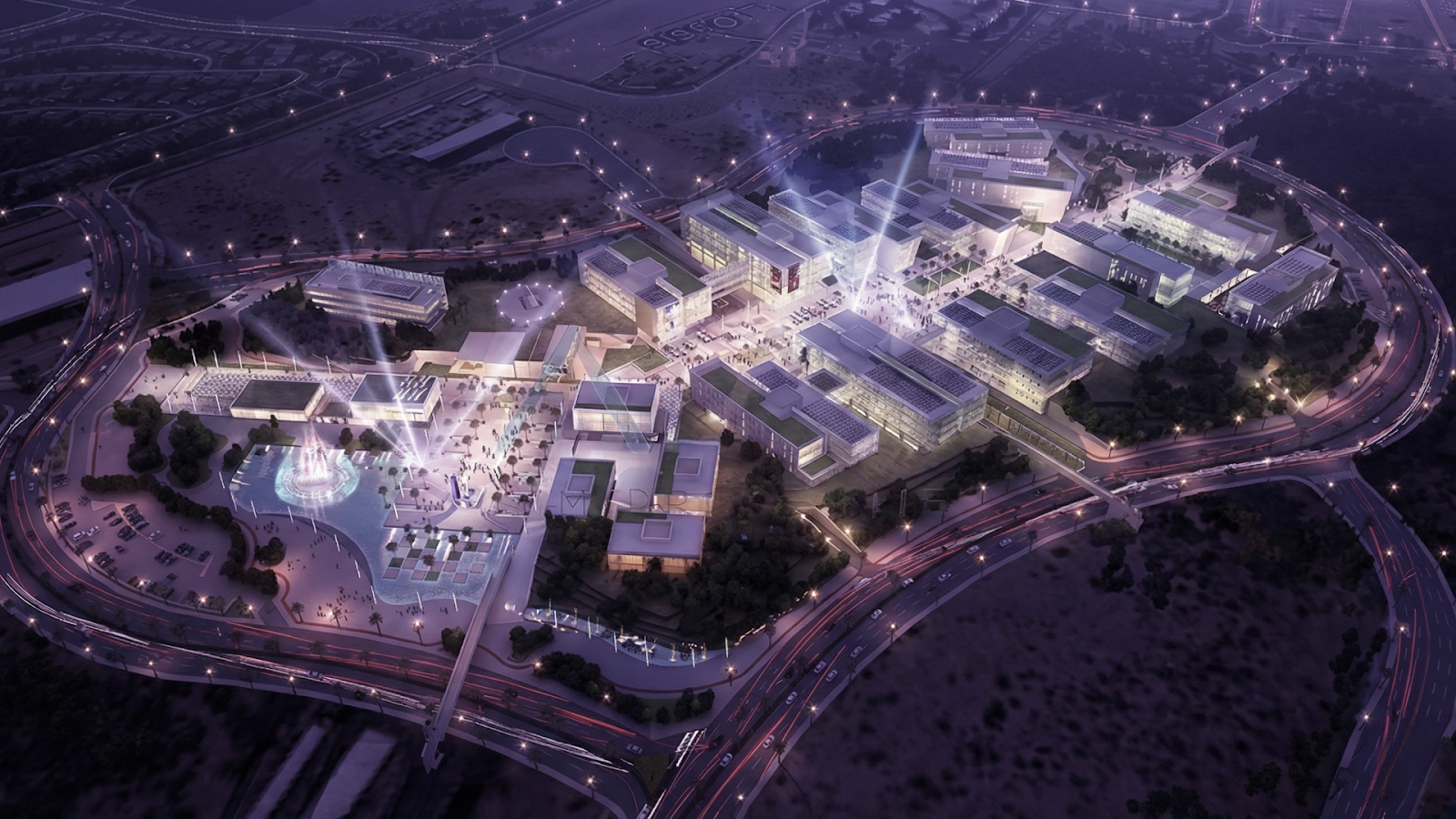
- Why it works: Tech/education cluster, schools, everyday amenities; future Blue Line support.
- Good for: Yield seekers who still want infrastructure and schools.
- Watch-outs: Compare service charges across towers.
3. International City / parts of Al Furjan / select buildings in Dubai South
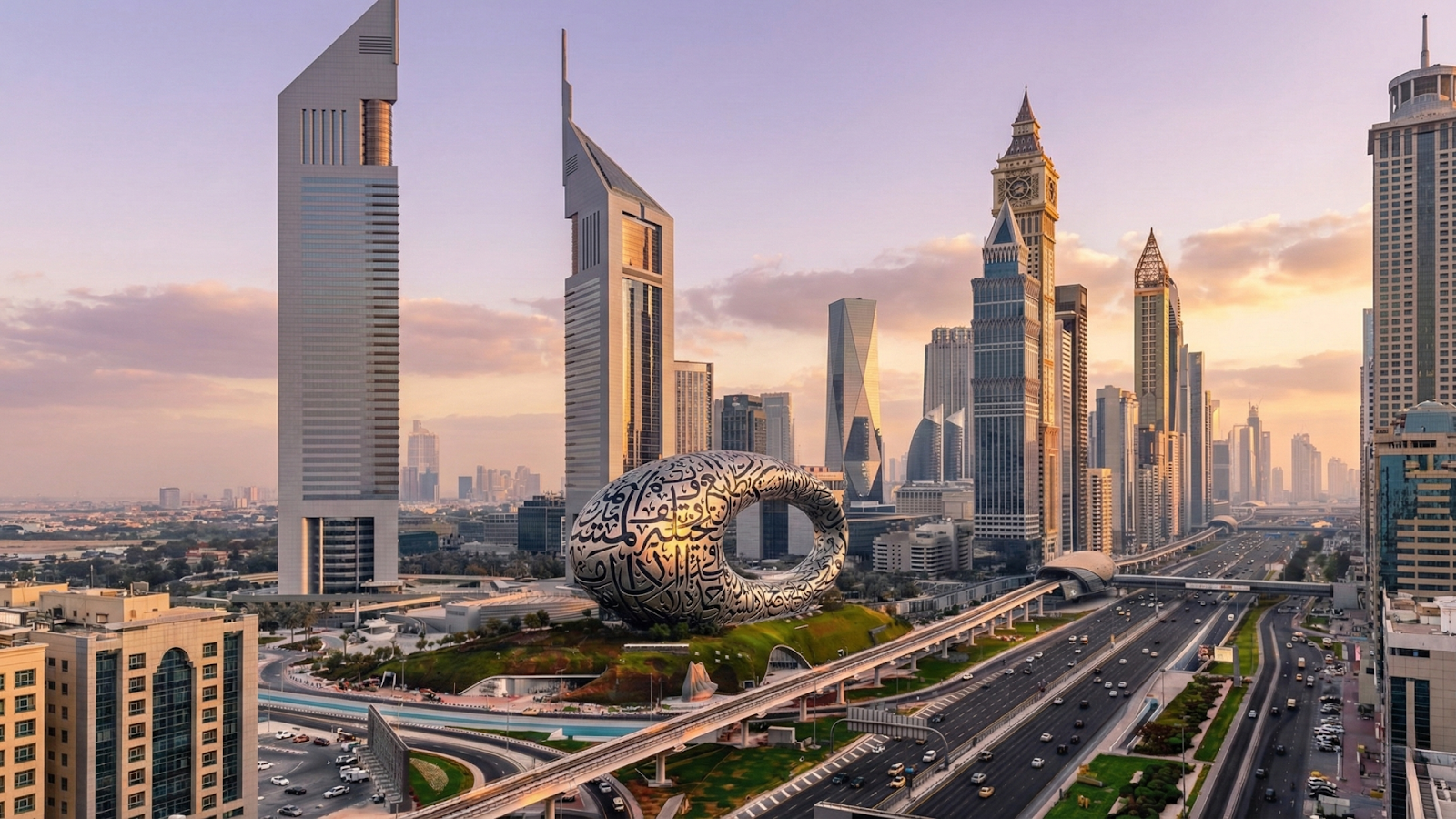
- Why it works: Lower buy-ins and broad renter demand.
- Watch-outs: Liquidity and finish vary; buy the best layout in the best-run building.
B) If your goal is a balance of rent + growth
1. Business Bay
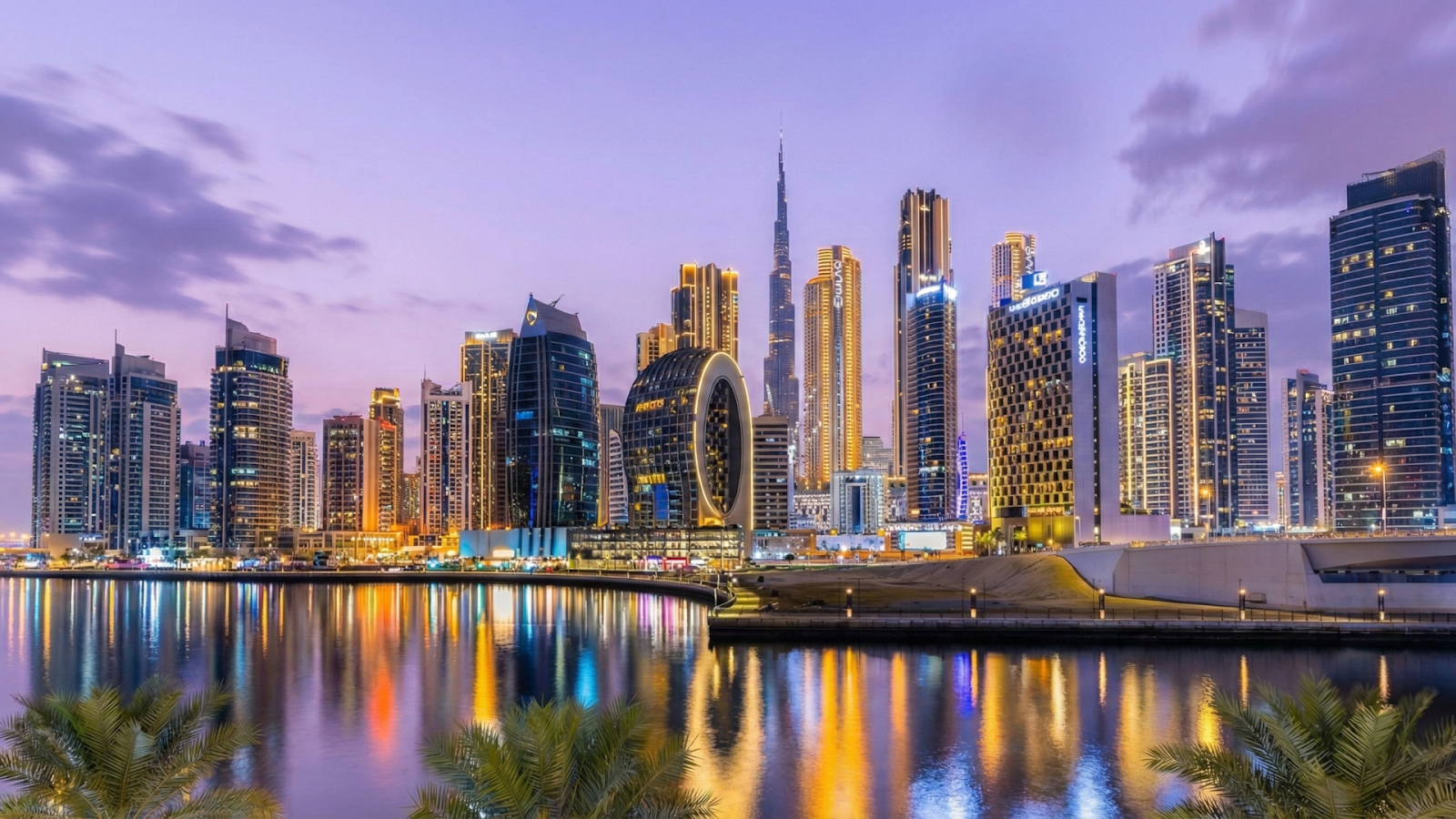
- Why it works: Beside Downtown; constant flow of professionals; year-round demand.
- Good for: Efficient 1-beds/compact 2-beds; suits mid-to-long holds.
- Watch-outs: Higher service charges in some towers—run the net math.
2. Dubai Creek Harbour (DCH)
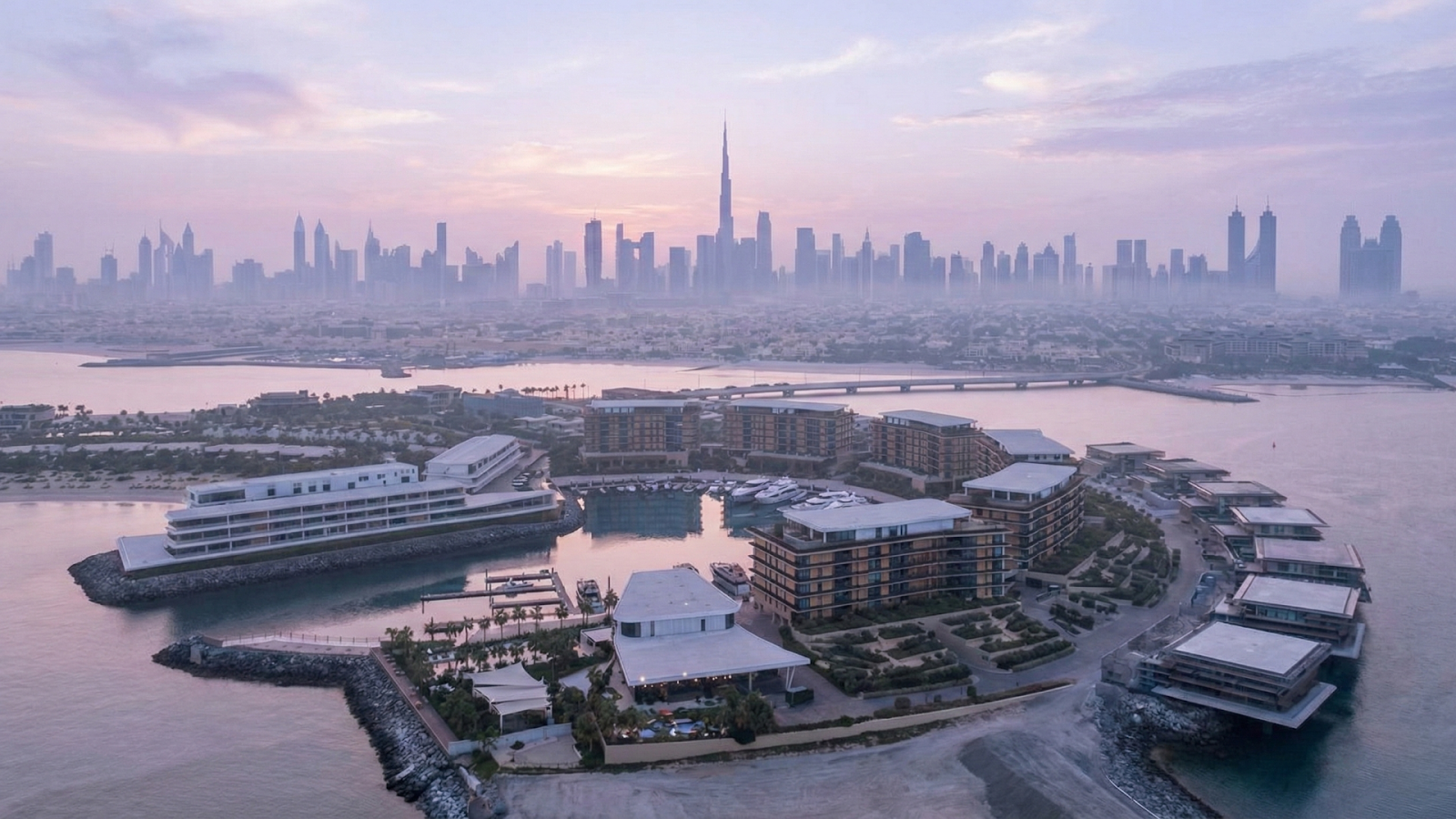
- Why it works: New waterfront masterplan + planned Blue Line links; lifestyle appeal.
- Good for: Long-term investors who value connectivity and views.
- Watch-outs: Still maturing; tower/stack selection matters.
3. Dubai Hills Estate (select mid-ticket apartments)
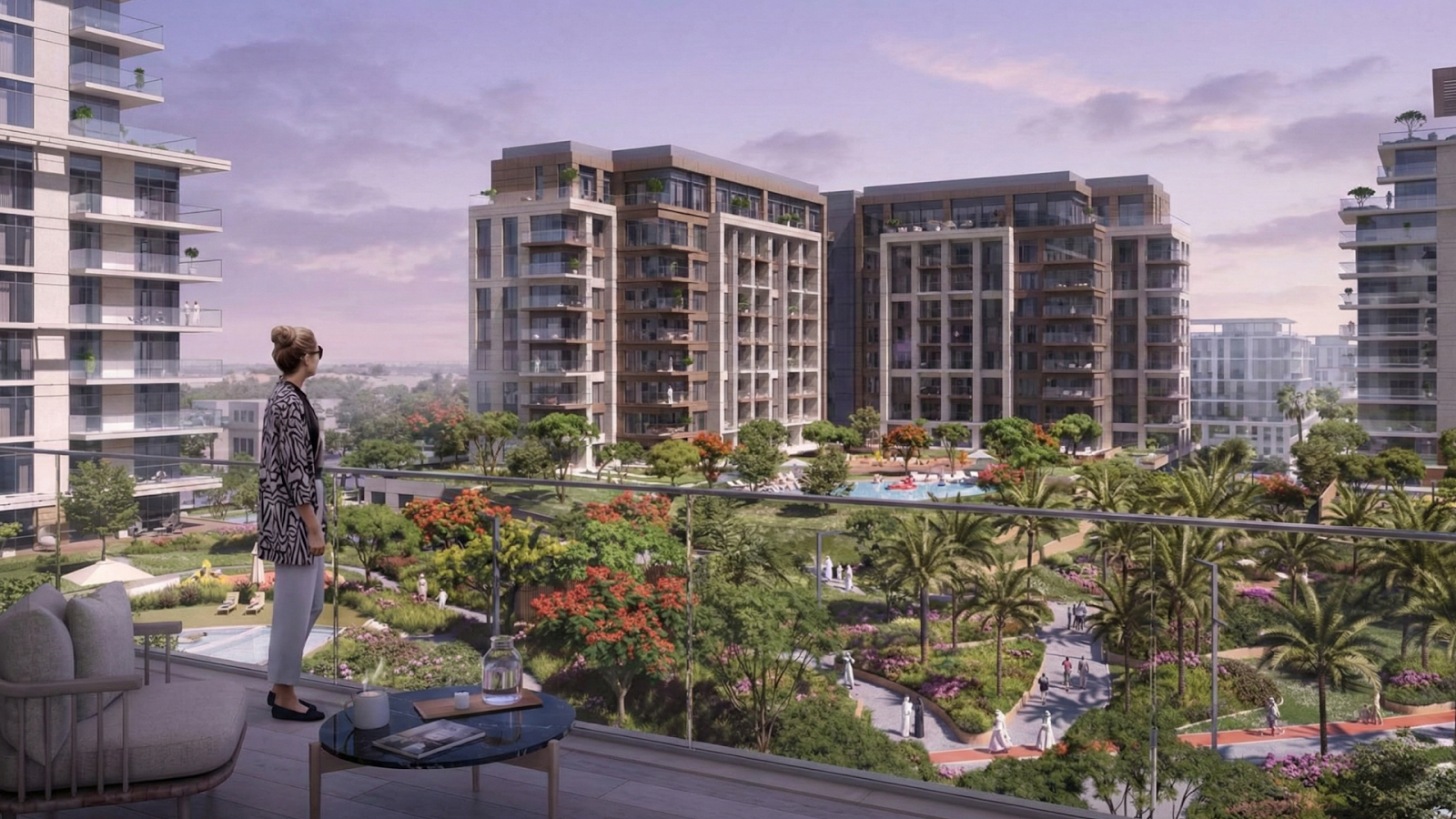
- Why it works: Schools, park, mall; strong end-user base.
- Watch-outs: Don’t overpay for premiums that don’t translate to rent.
C) If your goal is blue-chip capital keeping (pay more, protect value)
1. Dubai Marina
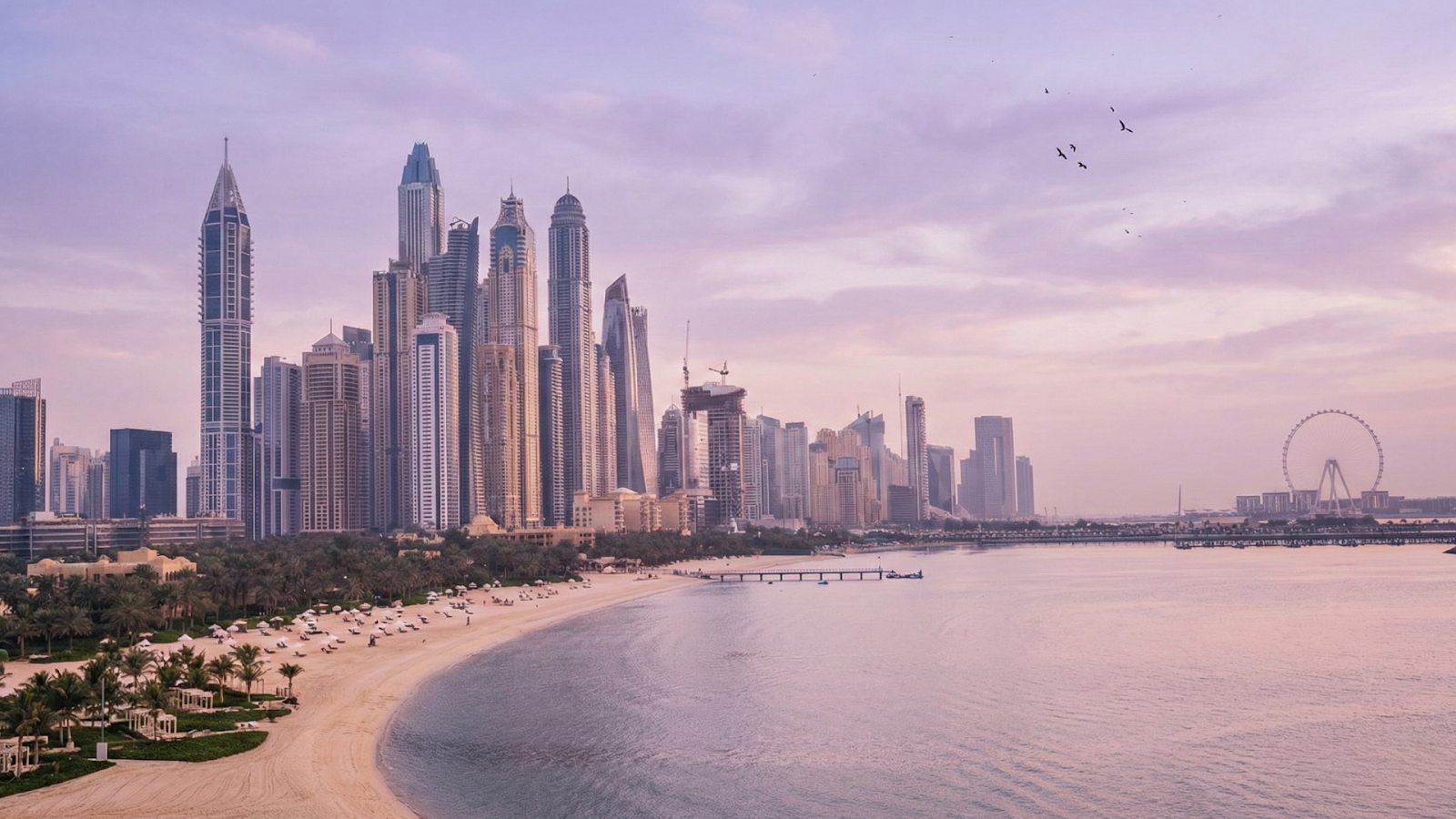
- Why it works: Global name, waterfront lifestyle, always-on expat demand.
- Good for: Prime 1-beds with views and efficient 2-beds that rent fast.
- Watch-outs: Service charges can bite; model net yield carefully.
2. Palm Jumeirah
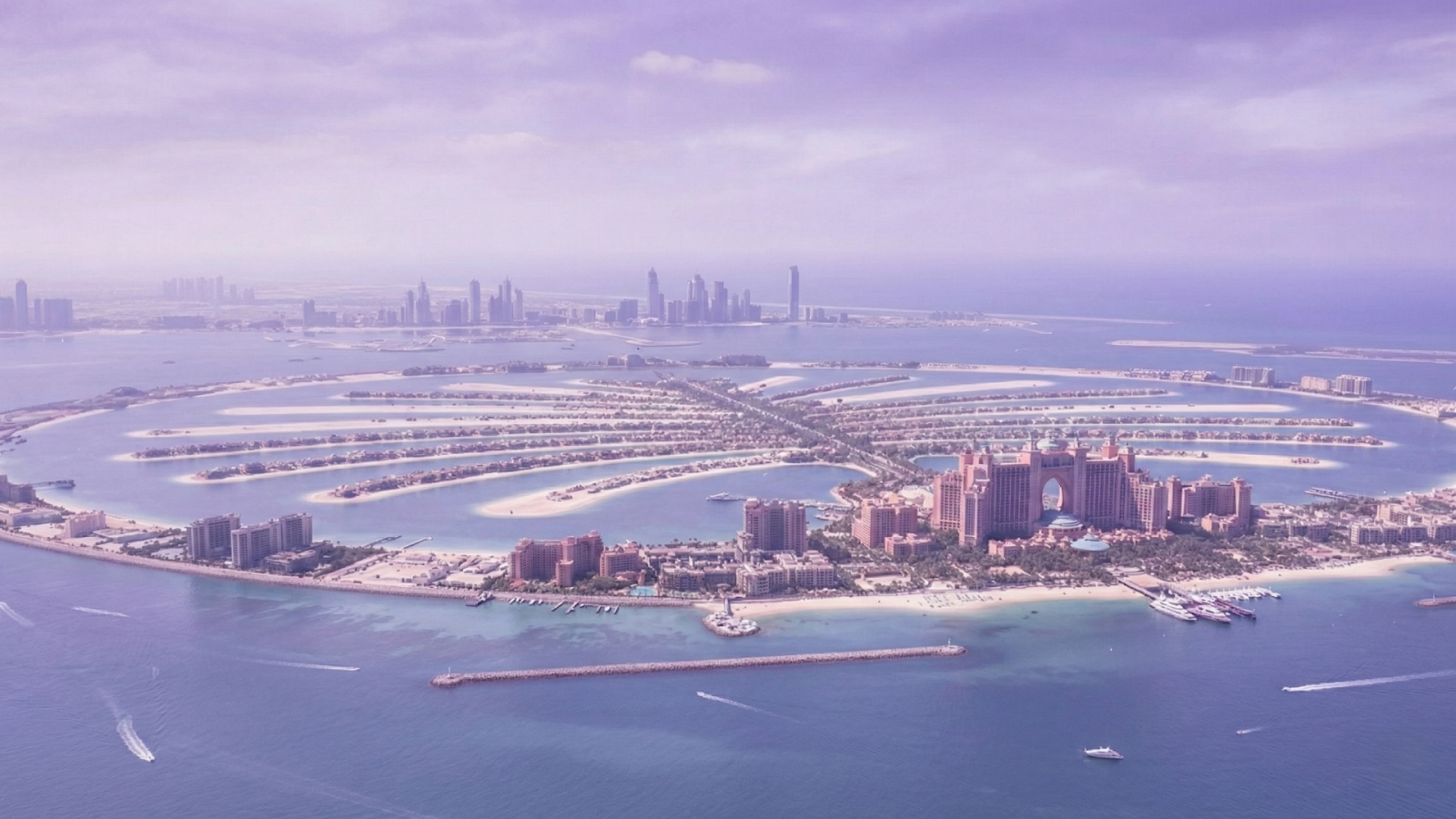
- Why it works: Scarcity + beach access + brand.
- Good for: Capital preservation + premium rent.
- Watch-outs: High entry costs; performance is unit-by-unit.
D) If your goal is patient growth
1. Dubai South / Expo City corridor
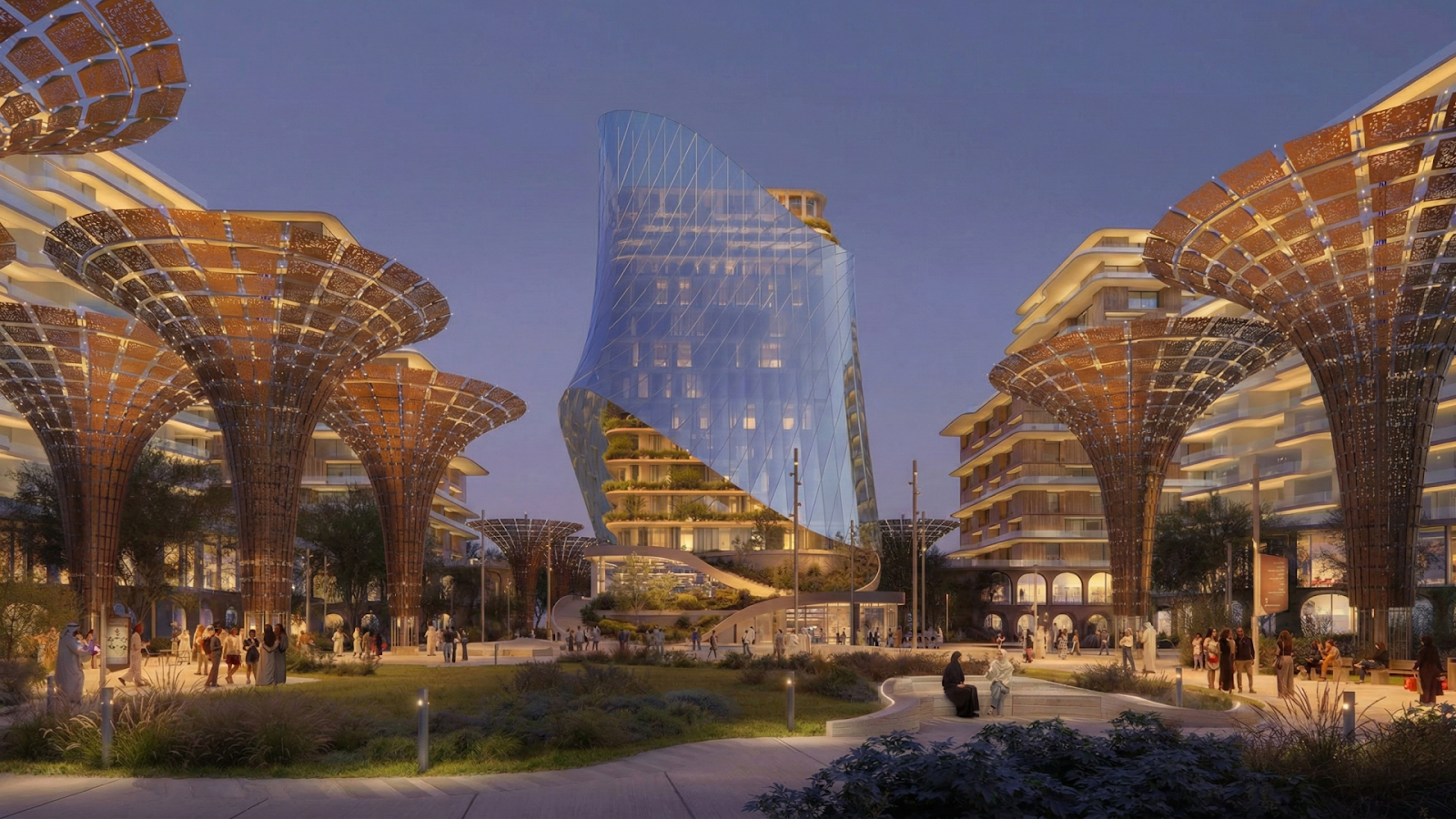
- Why it works: Airport/logistics/Expo ecosystem; long-run job creation.
- Good for: Patient buyers who can wait for full area maturity.
- Watch-outs: Choose reputable developers; understand timelines.
Emerging Trends and Future Outlook

Beyond specific locations, investors should also be aware of broader market trends shaping Dubai's real estate future:
- Off-Plan Properties: Investing in off-plan projects can offer attractive entry prices and higher capital appreciation upon completion, especially in prime locations. However, due diligence on the developer and project viability is crucial.
- Sustainability and Green Buildings: The demand for eco-friendly properties is on the rise. Developments with green certifications and sustainable features will likely command higher values and attract environmentally conscious tenants.
- Technology Integration: Smart homes, integrated community services, and digital property management platforms are becoming increasingly important. Properties that offer these technological advancements will appeal to a modern demographic.
- Diversification: Consider diversifying your portfolio across different property types (residential, commercial, retail) and locations to mitigate risks and maximize returns.
- Government Initiatives: Dubai's government continues to implement investor-friendly policies, including long-term visas for property owners and relaxed business regulations, further enhancing the city's appeal as an investment hub.
Navigating Potential Challenges
While Dubai offers lucrative opportunities, investors should be mindful of potential challenges:
- Oversupply in Certain Segments: As mentioned, the projected increase in supply in 2025-2026 could lead to temporary market corrections. Careful research into specific sub-markets is essential to avoid areas prone to oversupply.
- Market Volatility: While generally stable, the Dubai market can be influenced by global economic factors. Staying informed about economic forecasts and geopolitical developments is advisable.
- Regulatory Changes: While supportive of investors, regulatory frameworks can evolve. Working with experienced real estate agents and legal professionals can help navigate any changes.
By understanding these dynamics and focusing on well-researched areas, investors can position themselves for success in Dubai's dynamic property market in 2026.
What to Check Before You Add Any Area to Your Shortlist
- New-supply pressure
Check 12–24 months of expected handovers around your building. If many similar units complete at once, you must stand out (better layout/light/finish) or price in slower lease-up. (This is why some analysts expect cooling into 2026.)
- Comps, not claims
Pull recent, same-layout sales and rent comps. Citywide activity can mask community splits; your micro-market is what pays you.
- Service charges & real net
Premium towers can be worth it—but fees can erase 1–2% of yield. Ask for the latest schedule and past increases.
- Connectivity you can use
Existing metro/highways today, plus Blue Line tomorrow, is ideal—just don’t buy something that’s only great after 2029.
- Developer & OA
Delivery record, snag response, and OA upkeep (clean common areas, quick maintenance) support rent and resale.
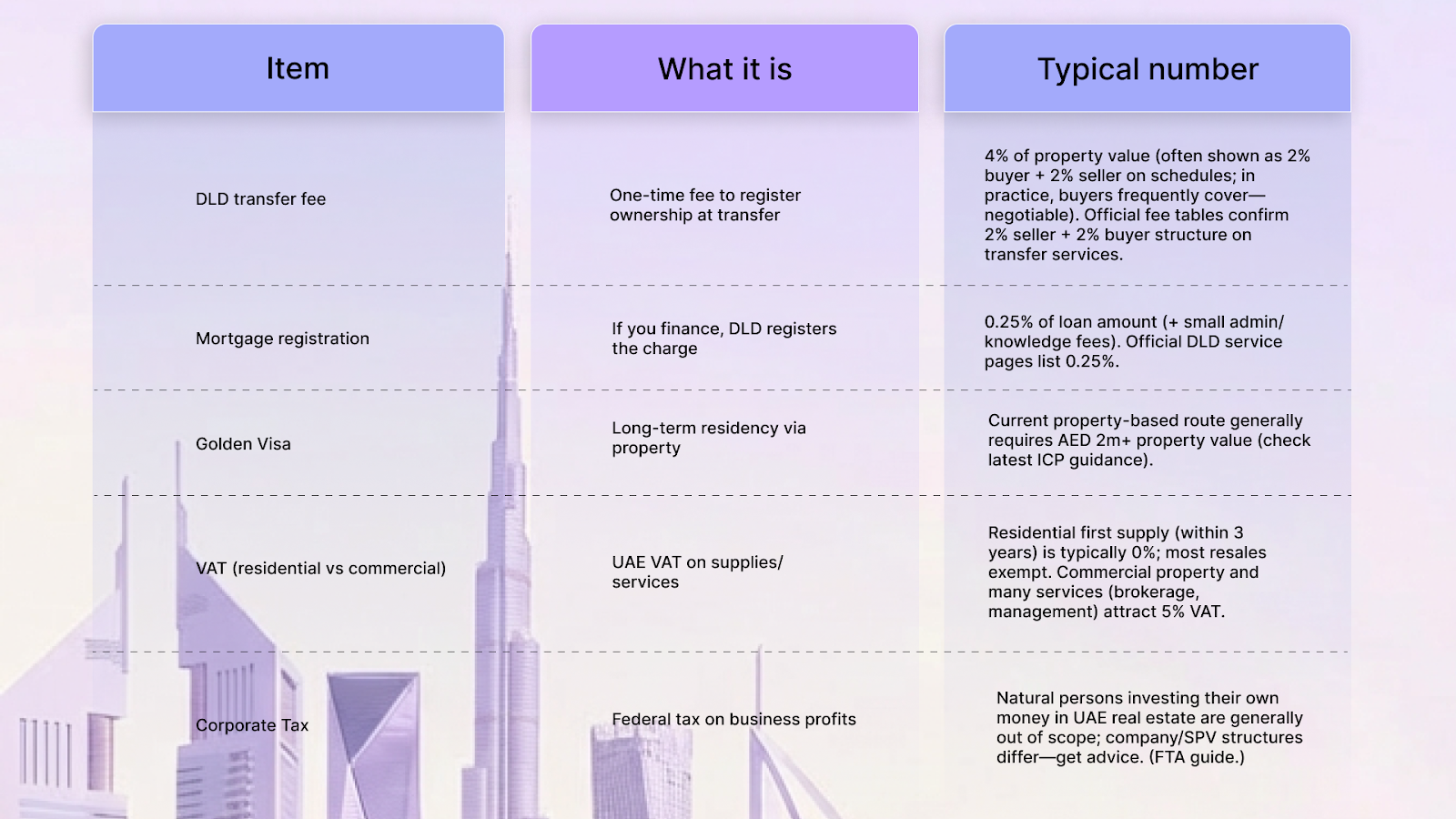
Costs & Taxes (cheat sheet for quick planning)
Projected Rental Yields and Capital Appreciation by Area (2026)
Indicative Rental Yields & Recent Price Signals (last 12 months)
Below is sourced from Property Finder “Price insights” (they explicitly show rental yield + YoY pricing on the same page):
- Indicative gross rental yield (apartments): 5.58%
- Average price YoY change: +2%
- Average price/sqft YoY change: -0.2%
- Key driver: Long-term masterplan + strong waterfront demand
- Indicative gross rental yield (apartments): 6.42%
- Average price YoY change: -0.47%
- Average price/sqft YoY change: +4.47%
- Key driver: Central location with strong rental demand from professionals
- Indicative gross rental yield (apartments): 8.01%
- Average price YoY change: +11.28%
- Average price/sqft YoY change: +12.87%
- Key driver: Highly competitive / value-driven rents + very broad tenant pool
- Indicative gross rental yield (apartments): 6.73%
- Average price YoY change: +24.42%
- Average price/sqft YoY change: +8.55%
- Key driver: Corridor growth story (long-term / long horizon potential)
Sources:
Dubai Creek Harbour (The Lagoons) – Price insights (yield + YoY)
Business Bay – Price insights (yield + YoY)
Jumeirah Village Circle – Price insights (yield + YoY)
Dubai South (DWC) – Price insights (yield + YoY)
These are indicative, based on the last 12 months of listing data. Actual returns vary by building/unit; net yield will be lower after service charges, vacancy, and management costs.
Data Box: 2025–2026 Guideposts
- Supply & pricing path: After a strong run since 2022 (+60%), Fitch projects ~10–15% softening into 2026 as ~210k homes deliver—about 2× the previous three years. Translation: more buyer discipline and a chance to enter quality assets at fair prices. (Source: Reuters)
- Market depth: 94,717 investors, 118,132 investments, ~AED 326bn in H1-2025 signals a deep, liquid market (but also the need for selectivity). (Source: Wam.ae)
- Connectivity catalyst: Blue Line (30 km, 14 stations) is approved/contracted, linking nodes like DCH, DSO, Academic City—a long-run plus for rentability around stations. (Source: RTA)
Case Study/Example
Illustrative example (hypothetical)
Illustrative example (hypothetical): The numbers below are a simplified scenario to show how yield + fees + vacancy can change outcomes; always validate with live comps and building-level costs.
The JVC Success Story: A Mid-Market Investment Gem
Consider the case of an investor, Mr. Ahmed, who purchased a 1-bedroom apartment in Jumeirah Village Circle (JVC) in early 2023 for AED 750,000. At the time, JVC was gaining traction as an affordable, family-friendly community with excellent connectivity.
Mr. Ahmed conducted thorough research, noting the consistent rental demand in the area due to its proximity to schools, parks, and retail outlets, making it attractive to young families and professionals seeking value for money.
By mid-2025, the value of his apartment had appreciated to AED 880,000, representing a capital gain of approximately 17.3% in just over two years. More significantly, Mr. Ahmed consistently achieved a gross rental yield of 7.5% annually, with the apartment rarely vacant.
His monthly rental income of AED 4,700 (AED 56,400 annually) provided a strong cash flow, covering his mortgage payments and generating a healthy profit. The consistent demand for rental properties in JVC, driven by its growing community and relatively lower price points compared to prime areas, ensured stable occupancy rates.
This case highlights JVC as a compelling example of a mid-market investment gem. While it may not offer the rapid capital appreciation seen in ultra-luxury segments, its strong rental yields and steady, sustainable growth make it an attractive option for investors seeking consistent returns and lower risk.
Mr. Ahmed's success underscores the importance of identifying areas with genuine end-user demand and a balanced supply-demand dynamic, even amidst broader market fluctuations.
2026 Due-Diligence Checklist
- Pick your goal (income / balance / blue-chip / patient growth).
- Shortlist 2–3 areas and 5 buildings per area.
- Pull 6–12 months of same-layout sale & rent comps.
- Map handovers within 12–24 months of your building (supply matters in 2026).
- Get service-charge schedules; model net yield (rent − fees − mgmt − realistic vacancy).
- If off-plan: verify the project is registered with DLD/RERA and has an escrow account (buyer payments must go into escrow), and review the SPA milestones/payment schedule.
- Budget for 4% DLD transfer and 0.25% mortgage registration (if financing).
- Walk the area at peak hours; test commute, noise, parking, access to daily needs.
- Buy the best layout in the best-run building your budget allows.
FAQ Section
Q1: What are the primary factors driving property investment in Dubai for 2026?
A1: Key drivers include Dubai's strong economic growth, investor-friendly policies, high rental yields in popular areas, and its status as a global hub for business and tourism. The upcoming supply in 2026 also presents opportunities for strategic entry points.
Q2: How will the projected increase in property supply in 2026 affect the market?
A2: The significant increase in supply, particularly in 2025-2026, may lead to a more balanced market or temporary price corrections in some segments. However, areas with strong underlying demand and unique value propositions are expected to remain resilient.
Q3: Is off-plan property investment still a viable option in Dubai for 2026?
A3: Yes, off-plan investments can still be viable, offering attractive entry prices and potential for capital appreciation upon completion. However, thorough due diligence on the developer and project viability is crucial to mitigate risks.
Q4: Which areas offer the best rental yields for investors in Dubai?
A4: Areas like Jumeirah Village Circle (JVC) and Business Bay are known for offering strong rental yields due to consistent demand from residents and professionals seeking affordable or centrally located housing options.
Q5: What role does sustainability play in Dubai's property market?
A5: Sustainability is an increasingly important factor. Properties with green certifications and eco-friendly features are gaining popularity and are likely to command higher values and attract environmentally conscious tenants in the long run.
Q6: What are the risks associated with investing in Dubai property in 2026?
A6: Potential risks include temporary oversupply in certain segments, market volatility influenced by global economic factors, and evolving regulatory changes. Careful research and professional advice can help mitigate these risks.
Q7: How important is developer reputation when investing in Dubai?
A7: Developer reputation is highly important. Investing with established and reputable developers ensures quality construction, timely project delivery, and often translates to higher investor confidence and better resale value.
DEED's Take
This guide is informed by extensive research into Dubai's real estate market, drawing upon insights from leading property consultancies, government reports, and financial analyses.
Our projections and recommendations are based on a comprehensive understanding of current market trends, historical data, and anticipated future developments. We have cross-referenced information from reputable sources such as Property Finder, Emaar Properties, and various financial news outlets like Reuters, ensuring a well-rounded and credible perspective.
Expert opinions from seasoned real estate professionals and market analysts have also been integrated to provide actionable advice. Our aim is to empower investors with accurate, timely, and authoritative information to make sound investment decisions in Dubai's dynamic property landscape.
How did DEED can help?
If you like the area logic but want to start smaller (or diversify across multiple neighborhoods), Deed lets you buy fractional shares of vetted, income-generating Dubai homes—from about AED 500—fully online.
You receive monthly rental income in proportion to your shares and track everything in-app. Deed is DIFC-licensed and DFSA-regulated, with risks and disclosures published openly.
It’s a simple way to build exposure to several areas without buying a whole unit. Learn more at startdeed.com.
Conclusion
Choosing the best areas to invest in Dubai property in 2026 requires a nuanced approach, balancing market dynamics with individual investment goals.
While the market anticipates increased supply, strategic areas like Dubai Creek Harbour, Business Bay, Jumeirah Village Circle, Dubai Marina, Palm Jumeirah, and Dubai South offer diverse opportunities for both rental yields and capital appreciation.
By focusing on factors such as rental demand, capital growth potential, infrastructure, and developer reputation, investors can navigate the evolving landscape successfully.
To make an informed decision tailored to your specific investment profile, we highly recommend consulting with a qualified Dubai real estate expert. Their in-depth market knowledge and access to real-time data can provide invaluable guidance.
__________________________________________________
For promotional purposes only. Property and other details may vary. Capital at risk. Deed is regulated by the DFSA.
Senior Growth, Marketing & Brand Manager | Elevating Brand Equity & Fueling Sales Growth Across Fintech, Proptech.
Signup to our newsletter!
Stay ahead with exclusive updates, insights, and opportunities delivered straight to your inbox.
Frequently Asked Questions

Start earning passive income today
Join thousands of investors building wealth through fully-managed rental properties.