


How to Find the Best Dubai Areas for Rental Income: Location Analysis Guide

Discover the best Dubai areas for rental income using a data-led location checklist, yield calculator, and market trends to boost occupancy and net returns.


KEY takeaways
How to Find the Best Dubai Areas for Rental Income: Location Analysis Guide
Finding the right location is the most important decision you'll make as a rental property investor in Dubai. While the city offers attractive returns across many areas, the difference between a good investment and a great one often comes down to choosing the right neighborhood. With rental yields ranging from 4% to 9% depending on location and property type, understanding where to invest can significantly impact your returns.
This guide provides a systematic approach to identifying the best Dubai areas for rental income, using real market data and proven analysis methods. Whether you're a first-time investor or looking to expand your portfolio, you'll learn how to evaluate locations like a professional and make data-driven investment decisions that maximize your rental income potential.
Why Location Matters for Rental Income
Location is permanent. You can repaint a kitchen. You can upgrade lights or flooring. You cannot move a building. That is why location is the foundation of a rental strategy.
Location drives:
- Willingness to pay: Tenants pay more for shorter commutes, better views, and walkable access to daily needs.
- Occupancy: Areas with deep, steady demand refill units faster and reduce downtime.
- Operating costs: Service charges and maintenance vary by community and building age.
- Exit value: A liquid area with strong buyer interest supports cleaner exits later.
In Dubai, the “location premium” is obvious. A studio near the beach, Metro, or a major business district often rents faster and higher than a similar studio in a less connected zone. That 2–3 percentage-point yield gap adds up over years. Choose location well, and your returns compound more quickly with less headache.
How Dubai’s Rental Market Works?
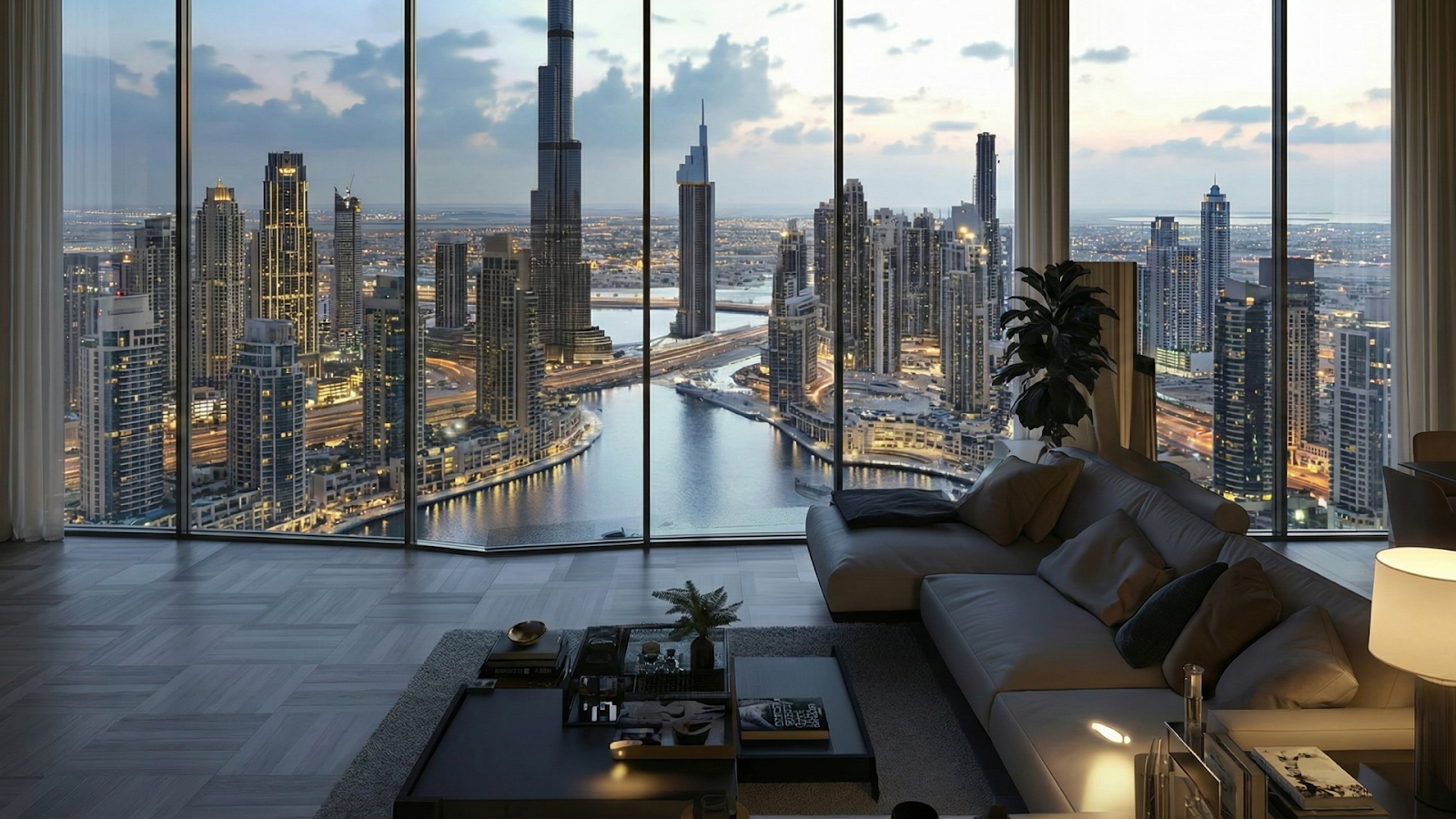
Dubai is a global city with year-round tenant flow. People move in for work, schools, tourism, and lifestyle. This creates many micro-markets, each with its own drivers. Understanding these basics will help you read any area with confidence:
- Population and jobs: When hiring rises in tech, finance, hospitality, or logistics, nearby areas see an uptick in tenant demand.
- Infrastructure: New Metro stations, road links, parks, malls, and schools attract tenants and support higher rents.
- Supply cycle: When many projects hand over at once, rents in that pocket can soften. When supply is tight, rents hold or rise.
- Segment mix: Studios and one-beds serve singles and couples. Two-beds and three-beds serve growing families. Villas serve larger households. The best area for you depends on who your tenant is.
- Regulation: Dubai uses clear rules for contracts (Ejari), renewal increases, and holiday-home permits. Knowing the basics keeps you compliant and avoids surprises.
The market has matured. Growth is still there, but not every area moves in sync. That’s why your approach should be area-specific and data-led, not citywide and generic.
The 10-Point Location Checklist
Use this simple checklist to compare any two communities. Score each item High / Medium / Low and pick the area with the best overall fit for your plan.
- Target tenant fit

- Who will rent your unit? Single professional, couple, young family, corporate tenant, or tourist?
- Does the area truly match that profile (schools, nurseries, gyms, offices, beaches, nightlife)?
- Access & transport

- Distance to Metro or reliable bus links.
- Road access to key districts (SZR, Al Khail, MBZ).
- Parking quality and ease of entry/exit during peak hours.
- Daily-life convenience

- Groceries, pharmacies, clinics, cafés, parks, and gyms within 10–15 minutes.
- Walkability and safety around the building.
- Asking rents by bed type

- Compare studio, 1BR, 2BR asking rents today (not last year).
- Focus on similar buildings (age, finish, view, floor height).
- Service charges & building condition

- Service charge per sq.ft. and the actual services delivered.
- Lift reliability, façade condition, property management reputation.
- Upcoming supply

- What’s handing over in the next 12–24 months?
- Heavy handovers can add leasing competition; steady supply is easier to absorb.
- Tenant churn & leasing depth

- Are there many recent lease registrations and renewals?
- Do units relist quickly, or do they sit?
- Community story

- Is the area still building out key amenities, or is it mature?
- Major public or private investment underway?
- Yield realism

•Run gross and net yield; compare net across areas using the same cost assumptions.
- Exit pathways
- Owner-occupier demand, end-user mortgage access, and comparable sales volume support cleaner exits when you need them..
Your Rental Yield Calculator (Dubai): Gross vs Net
Gross Yield
Gross Yield = Annual Rent ÷ Purchase Price
Net Yield
Net Yield = (Annual Rent − Service Charges − Management Fees − Vacancy Reserve − Maintenance Allowance) ÷ (Purchase Price + Purchase Costs)
Worked numbers (illustrative):
- 1BR asking rent in a mid-market area: AED 78,000
- Purchase price: AED 1,050,000
- Service charges: AED 12,000 / year
- Management fee: 5% of rent = AED 3,900
- Vacancy allowance: AED 3,000 (about 2 weeks)
- Maintenance allowance: AED 2,000
- Purchase costs: 4% DLD transfer + trustee/admin ≈ AED 42,000
Gross = 78,000 ÷ 1,050,000 = 7.43%
Net = (78,000 − 12,000 − 3,900 − 3,000 − 2,000) ÷ (1,050,000 + 42,000)
= 57,100 ÷ 1,092,000 ≈ 5.23%
Tip: Always compare net yield between areas using identical cost assumptions. That is the only fair way to choose.
What to Weigh Beyond Yield (key drivers)

1) Property type vs tenant demand
- Studios/1BRs: Often higher gross yields; more turnover.
- 2–3BR apartments: Lower churn; family-friendly; net can be steadier.
- Villas/townhouses: Premium pricing; yields often lower; focus on schools and community life.
- Short-stay stock: Higher gross potential in tourism/business hubs, but higher costs and more active management.
2) Infrastructure and amenities
Tenants pay for time saved. Metro access, good roads, parks, schools, malls, and clinics all boost willingness to pay and reduce move-out risk.
3) Future development and supply
Planned schools, parks, roads, or retail can grow demand into handover. But heavy supply in a pocket can cap rents short-term—build that into your vacancy assumptions.
4) Building-level economics
Service charges, lift uptime, façade condition, and on-site security matter. A well-run tower can mean fewer void weeks and faster re-lets—quietly improving your net.
Top Dubai Areas for Rental Income
Based on current market trends, rental yields, and demand, several areas in Dubai consistently stand out as prime locations for rental income generation.Use these as starting points. Confirm today’s asking rents, service charges, and building condition before you buy.
High-Yield Champions (≈7–9% gross)
Al Furjan
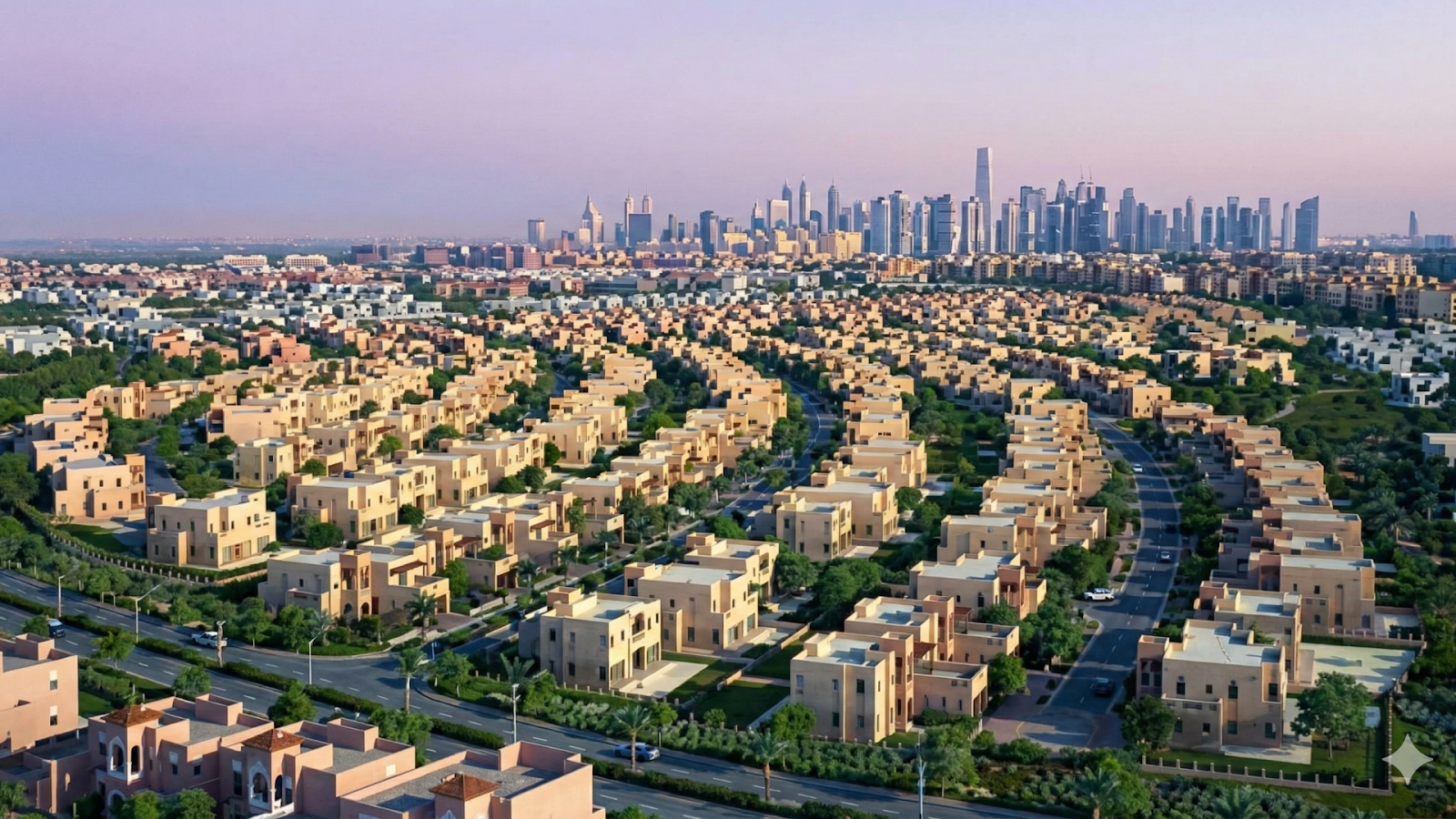
- Why investors look: Competitive pricing, strong demand from middle-income families, and improving connectivity.
- What works: Studios and 1BRs can post impressive yields (studios often among the top performers).
- Watch-outs: Compare service charges; quality varies by developer and tower.
Arjan

- Why investors look: Affordable entry points, easy access to major roads, and continuous tenant demand.
- What works: Value-led 1BRs and compact 2BRs aimed at budget-conscious professionals.
- Watch-outs: Building-to-building differences are material—walk the lobbies and corridors.
Jumeirah Village Circle (JVC)
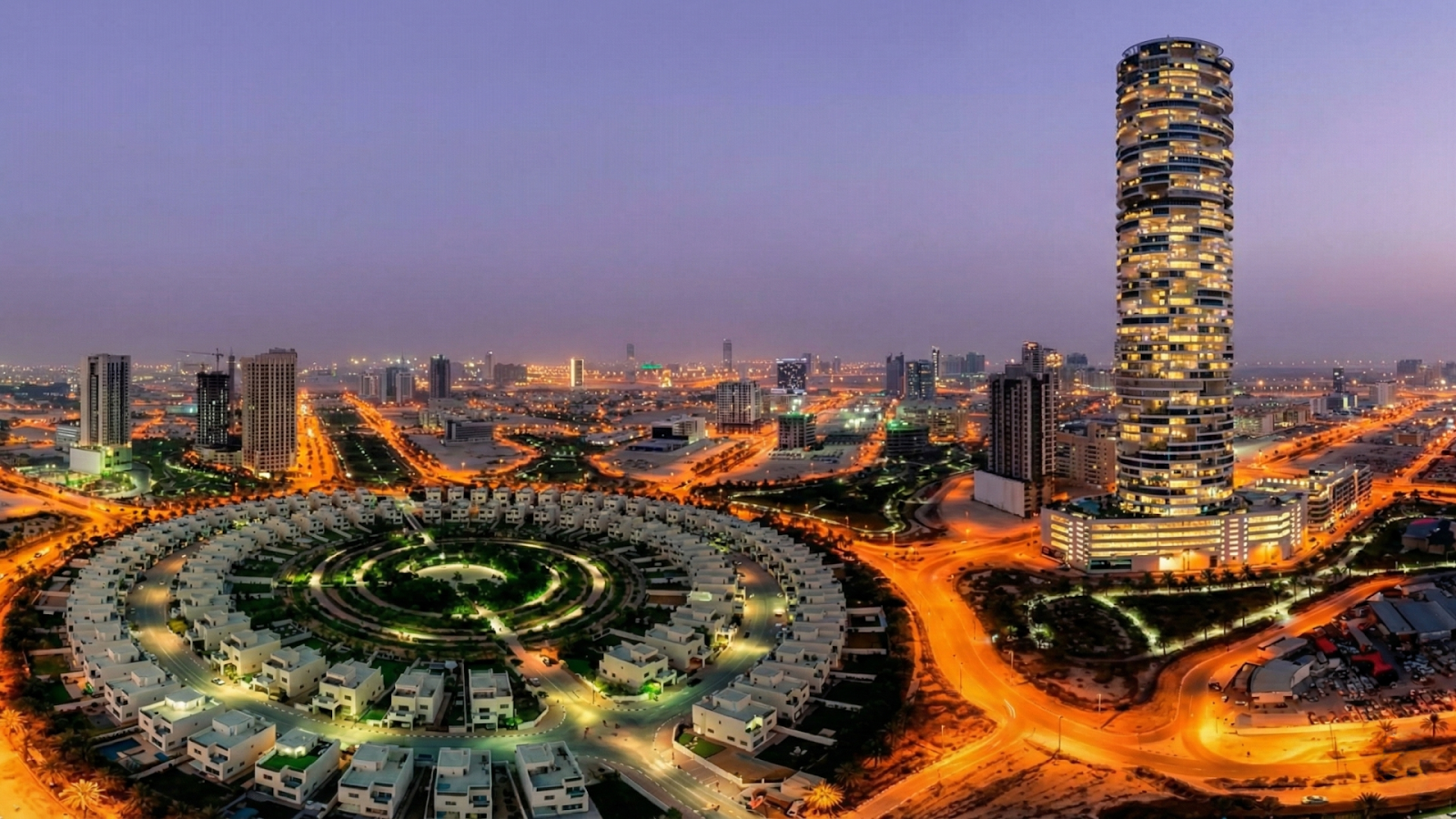
- Why investors look: “Bread-and-butter” community with a deep pool of tenants and many 1BR transactions.
- What works: 1BRs (and selected 2BRs) for yield with steady re-letting.
- Watch-outs: Pick well-managed towers; check service-charge history.
International City
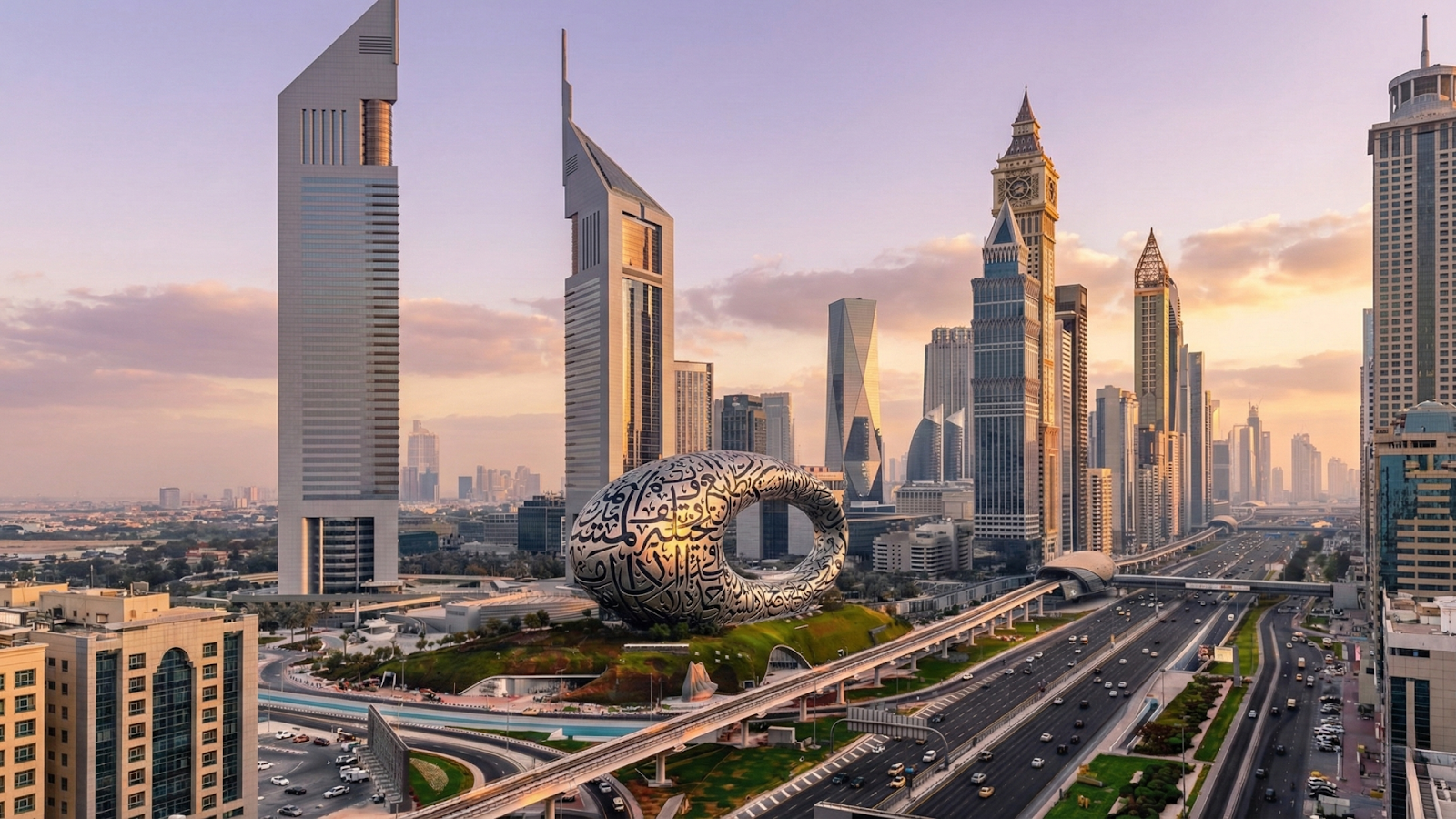
- Why investors look: One of Dubai’s most affordable zones with strong studio/1BR demand.
- What works: Budget units priced to move, near retail and transport.
- Watch-outs: Maintenance varies by cluster—inspect in person.
Balanced Performance (≈5–7% gross)
Business Bay
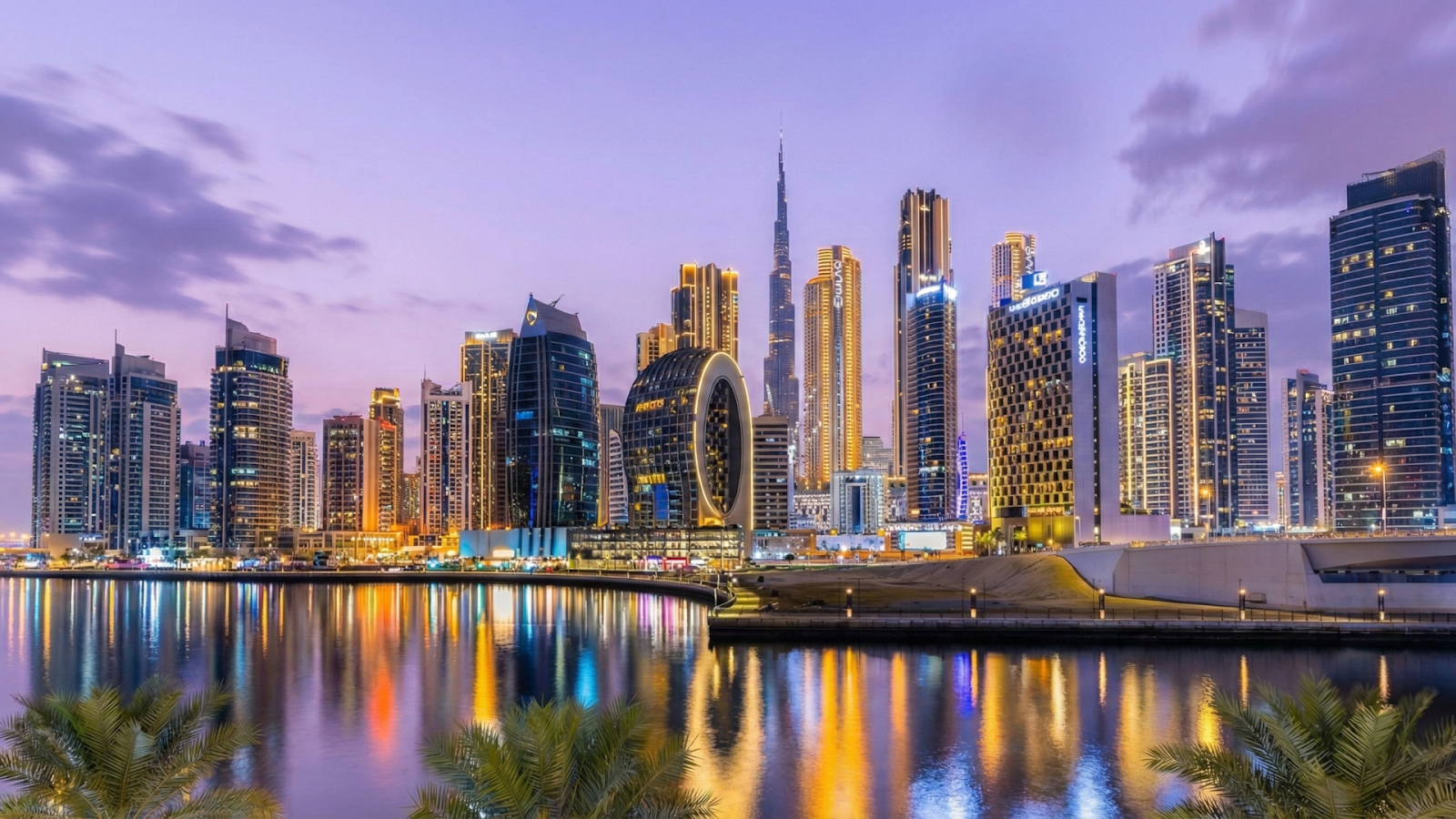
- Why investors look: Central location beside Downtown; constant corporate demand.
- What works: Modern 1BRs with parking and quick access to offices.
- Watch-outs: Service charges and parking convenience vary widely by tower.
Dubai Marina
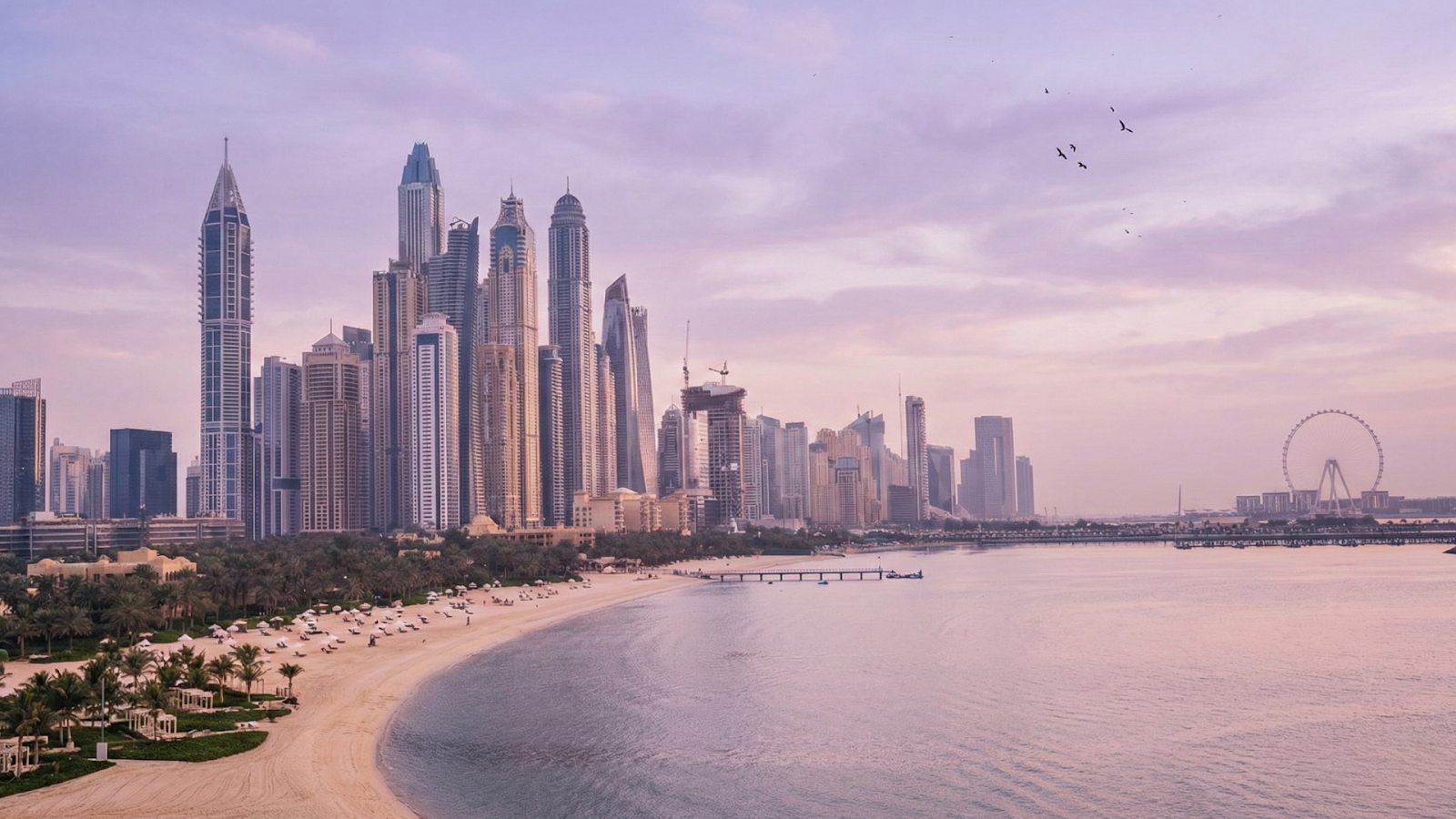
- Why investors look: Waterfront lifestyle, global visibility, and strong rental depth.
- What works: Studios/1BRs with walkability to Marina Walk and the beach.
- Watch-outs: Higher service charges; buy well to preserve net yield.
Jumeirah Lake Towers (JLT)
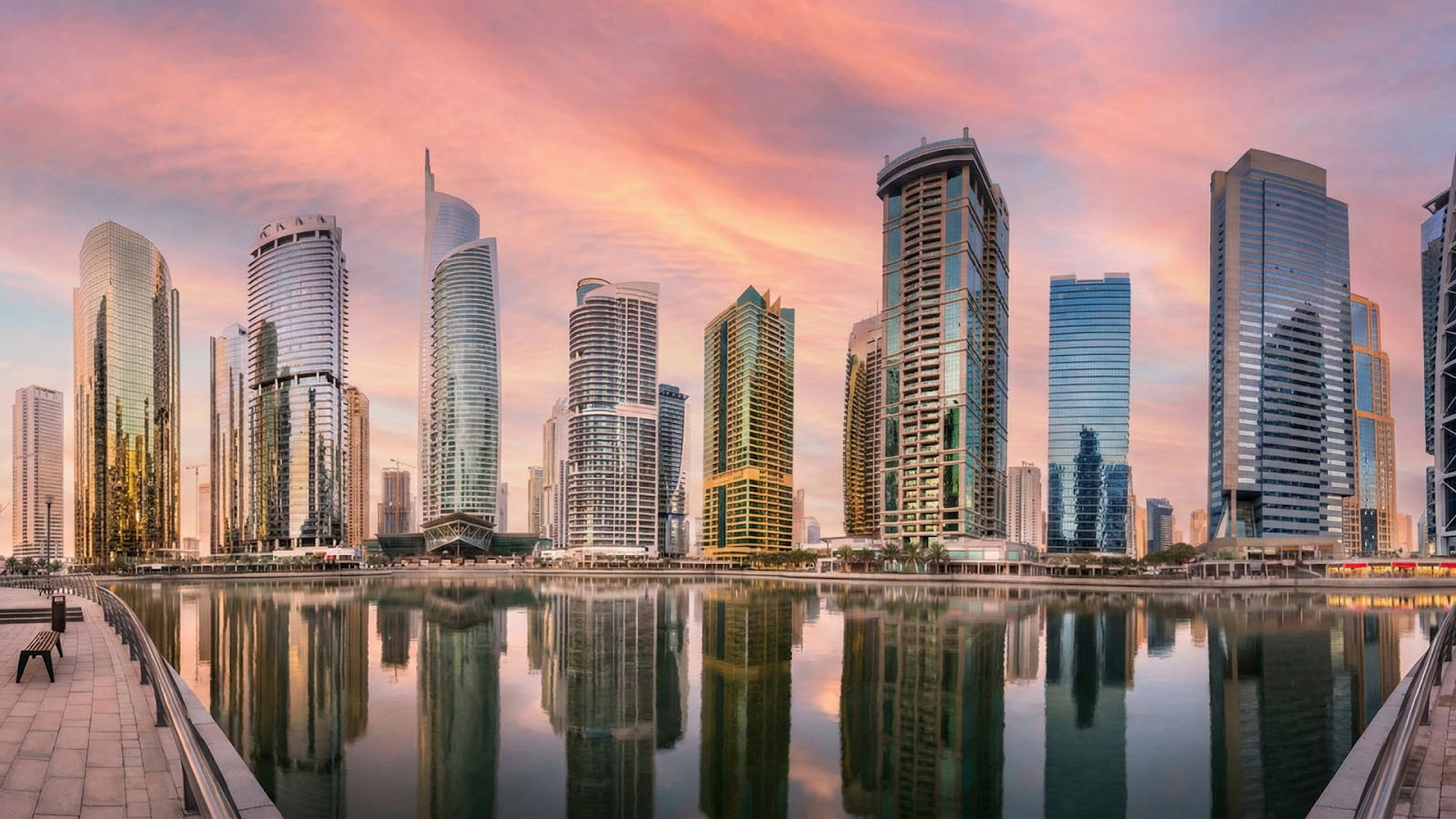
- Why investors look: Metro access (two stations), mixed-use environment, and lakeside appeal.
- What works: 1–2BRs for professionals who want convenience.
- Watch-outs: Tower age and MEP upkeep differ; factor capex over a 5-year hold.
Prime (thinner yields, stronger exit stories)
Downtown Dubai / Dubai Creek Harbour
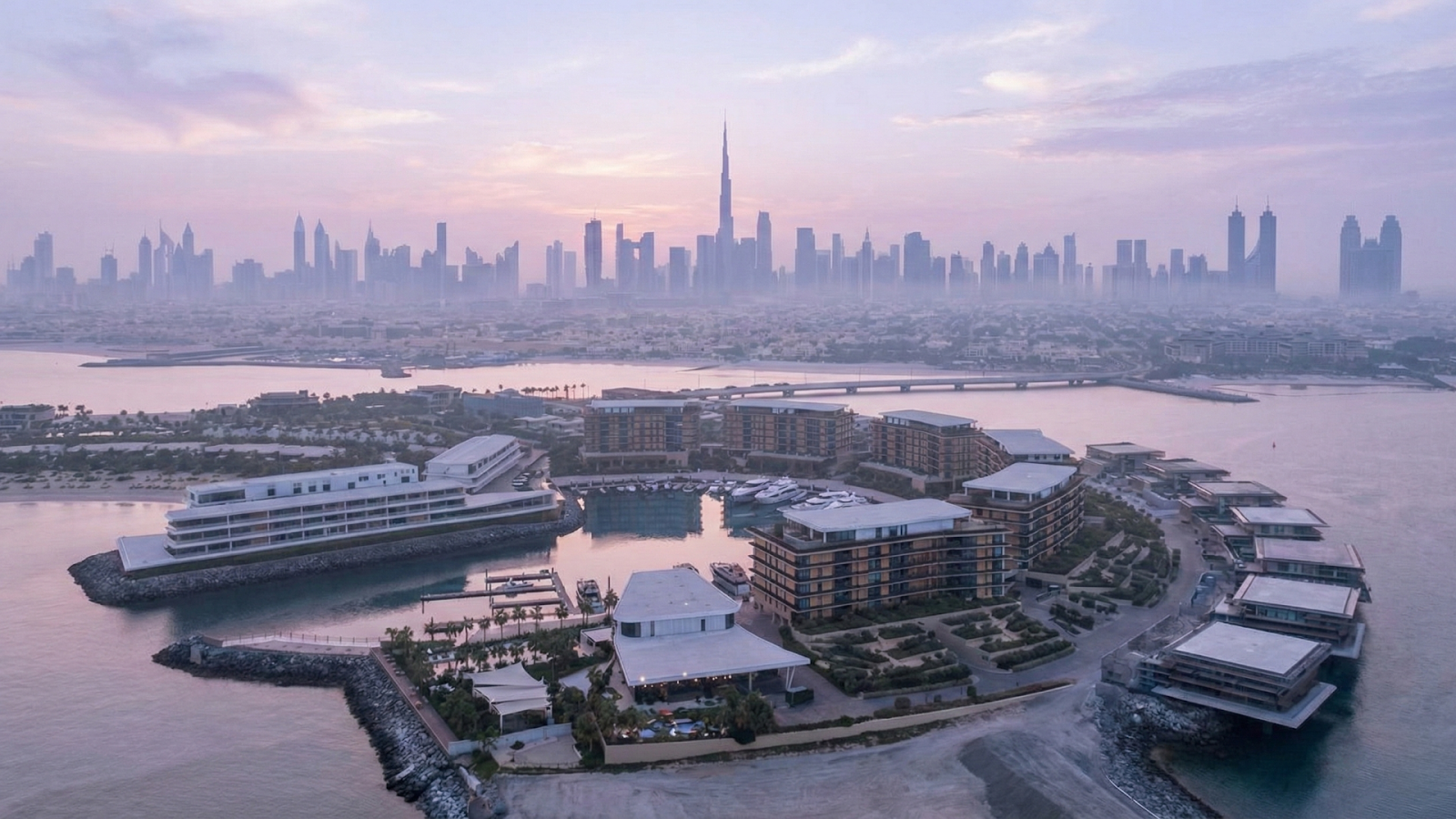
- Why investors look: Iconic addresses, strong end-user interest, and international appeal.
- What works: Quality 1BRs with view or brand advantages.
- Watch-outs: Yields are thinner; entry price discipline is essential.
Palm Jumeirah
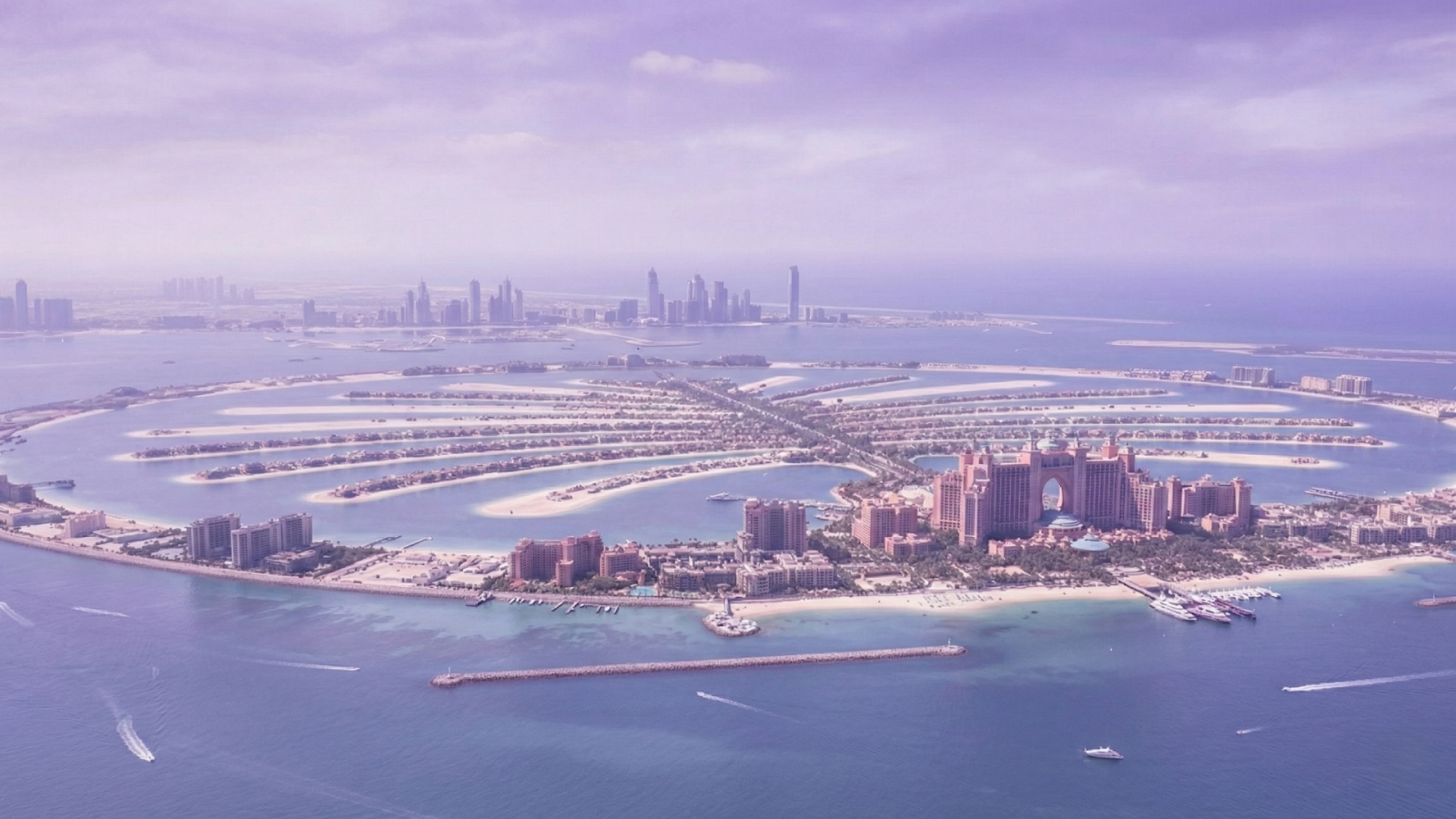
- Why investors look: Prestige, waterfront, and branded residences.
- What works: Smaller units often yield better than large ones; unique views command premiums.
- Watch-outs: Elevated service charges; tenant pool is more selective.
Dubai Hills Estate (smaller units)

- Why investors look: Family-led demand, schools, parks, and a premium master plan.
- What works: Smaller apartments with long-term exit appeal.
- Watch-outs: Yields moderate; net depends on service charges and purchase price.
Detailed Area Analysis Framework
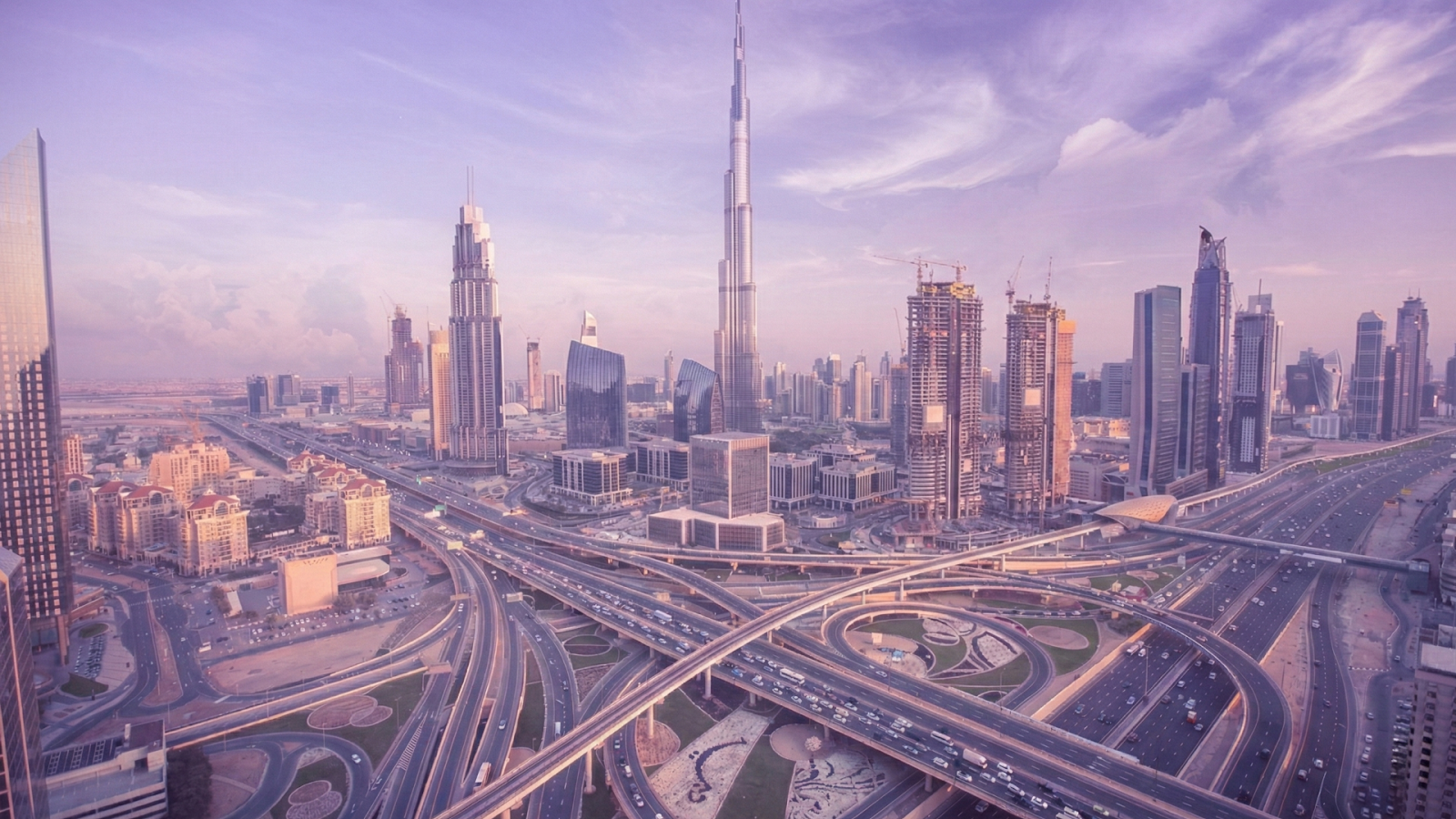
A) Transport & connectivity
- Metro: Units within an easy walk to stations typically command higher rents and enjoy faster re-lets.
- Roads: Quick access to SZR/Al Khail/MBZ is prized by car-dependent tenants.
- Real-world tip: Time a door-to-Metro and door-to-carpark walk at 7:30–8:30 am to see the true commute.
B) Infrastructure & lifestyle
- Schools and nurseries: Family demand is sticky when schools are near.
- Parks and clinics: Everyday convenience reduces move-outs.
- Retail: A great Carrefour or mall within 10 minutes is a quiet advantage.
C) Tenant demographics
- Families: Longer tenancies; prefer 2–3BRs in community-driven areas (JVC, DSO, Dubai Hills Estate).
- Young professionals: Studios/1BRs near business districts (Business Bay, JLT, Marina).
- Budget tenants: Compact units in well-connected, affordable pockets (International City, Arjan).
- Short-stay visitors: Tourist hubs; must comply with holiday-home permit rules.
D) Supply pipeline
- Near-term handovers: Many buildings delivering at once can pressure rents; build a vacancy cushion.
- Early-stage areas: Yields may be decent today; appreciation can come as amenities open.
E) Building due diligence
- Service charge per sq. ft. and what it covers.
- Common areas: Lifts, corridors, lobby cleanliness, security desk.
- Management: Response times, maintenance records, and owner committee activity.
Using Rental Yield Calculators Effectively
A rental yield calculator Dubai is an essential tool for comparing investment opportunities across different areas. However, using these calculators effectively requires understanding what factors to include and how to interpret the results.
1) Use net yield, not just gross
Include:
- Service charges (often 5–15 AED/sq. ft./year, building-dependent)
- Property management (e.g., 5–8% of annual rent)
- Vacancy (2–8 weeks per year depending on area and strategy)
- Maintenance allowance (a modest annual buffer)
- Purchase costs (DLD transfer 4% + trustee/admin)
2) Compare like-for-like
- Studio vs studio. 1BR vs 1BR. Similar building age and finish.
- Same rent assumptions. Same fees. Same vacancy buffer.
3) Look at total return
- Yield today + plausible appreciation tomorrow.
- A mid-yield area with strong master-plan upgrades can beat a high-yield area with stagnating demand.
4) Stress-test the model
- Reduce rent by 3–5% and add 2 extra vacancy weeks.
- If net yield still clears your hurdle by 0.5–1.0%, you have a margin of safety.
Property Type Considerations by Area
Different areas of Dubai favor different property types, and understanding these preferences is crucial for maximizing rental income. The data shows clear patterns in which property types perform best in each location.
Studios (often the yield engine)

- Who rents: Singles, contract workers, short-stay visitors.
- Where they shine: Business hubs (Business Bay, JLT), prestige pockets (Palm Jumeirah), and value areas (Al Furjan, International City).
- What to watch: Turnover is higher; furnish smartly and keep maintenance quick.
One-bedrooms (balanced workhorse)

- Who rents: Singles and couples seeking value + comfort.
- Where they shine: JVC, JLT, Dubai Marina, Business Bay.
- What to watch: Choose towers with strong management; 1BRs re-let well when priced fairly.
Two- and three-bedrooms (family anchors)
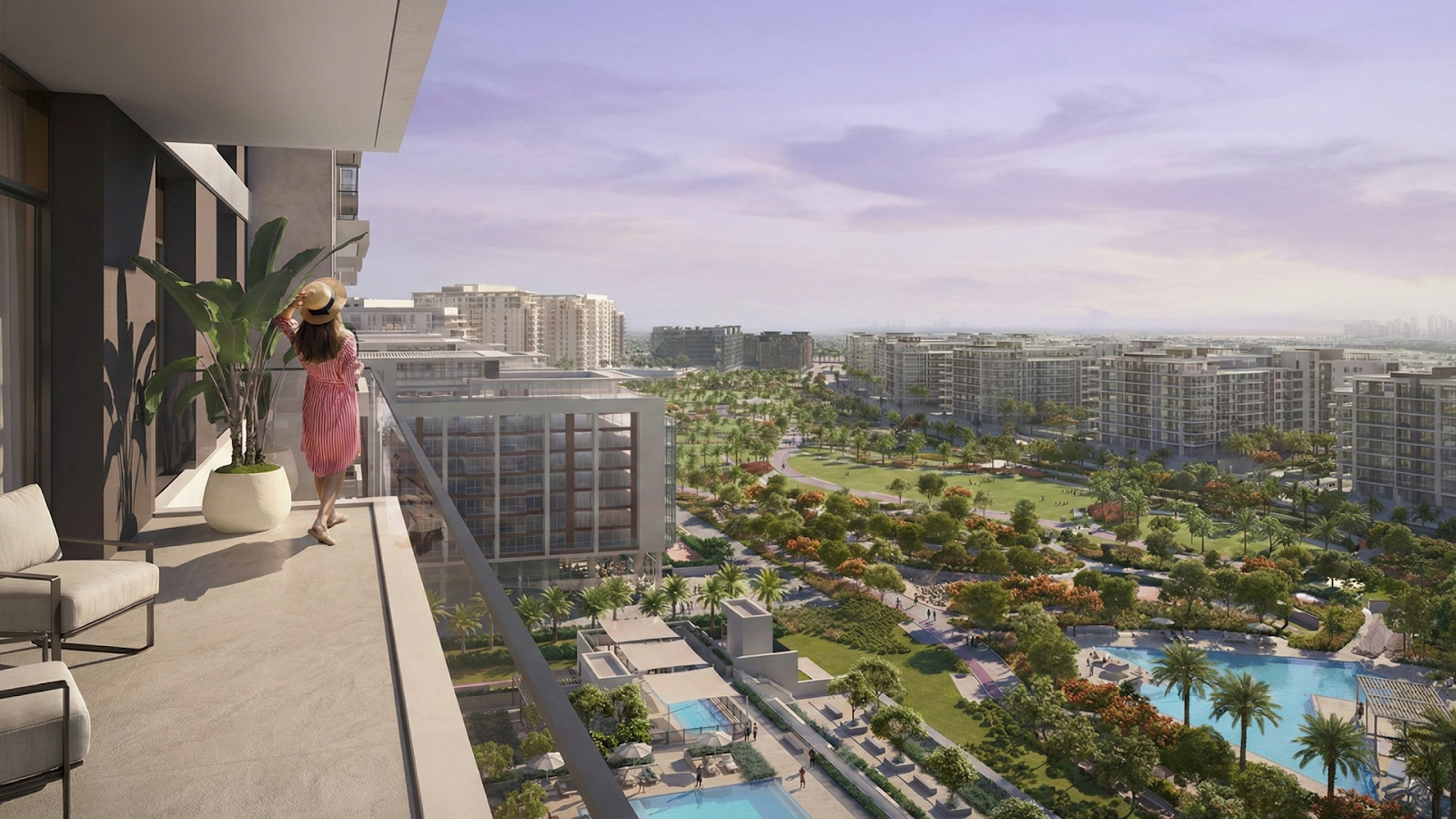
- Who rents: Families who stay longer.
- Where they shine: JVC, DSO, Dubai Hills Estate, family-first communities with schools and parks.
- What to watch: Lower churn can offset slightly lower gross yield.
Villas/townhouses (lifestyle led)
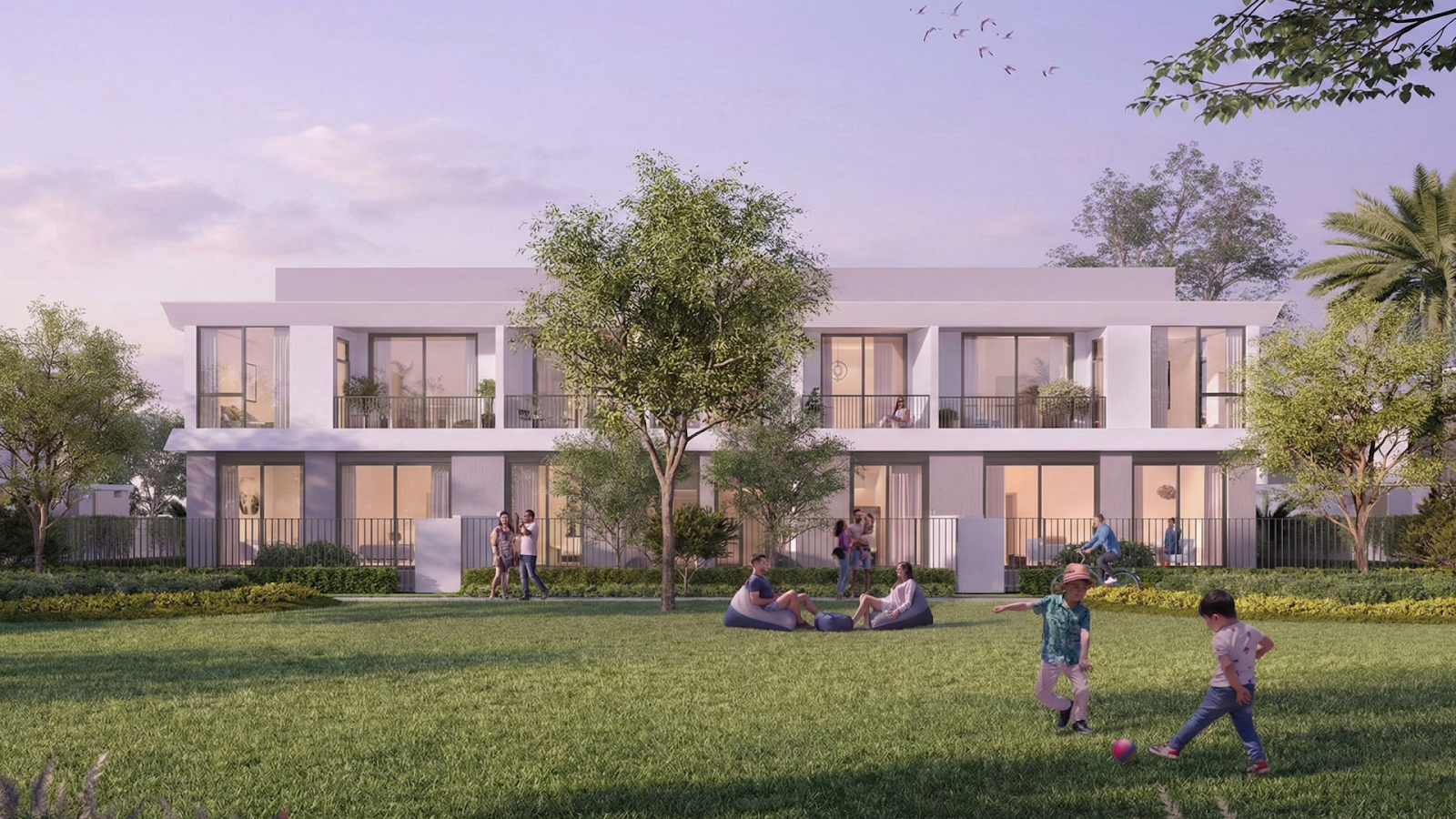
- Who rents: Larger families; premium community seekers.
- Where they shine: Master-planned villa communities with schools and parks on site.
- What to watch: Yields often thinner; prioritize exit liquidity and build quality.
Legal and Regulatory Basics (simple and essential)
- Ejari: Every tenancy must be registered on Ejari. It protects both landlord and tenant and is required for many services.
- Rent increases: Renewal changes follow the RERA Rental Index formula. Don’t assume you can hike rent each year; check the calculator.
- Holiday-home permits: Short-term rentals require a DET (Dubai Economy & Tourism) permit and compliance with local rules.
- Notices and evictions: There are defined procedures and notice periods. Always follow the law and keep records tidy.
- Service charges: Pay on time. Arrears can block NOCs and complicate sales later.
A good property manager can handle most of this for you. If you are overseas or hold several units, a manager is often worth the fee.
Market Trends & Future Outlook (what to watch next)
Understanding current market trends helps investors identify areas with strong future potential. Dubai's rental market in 2025 shows several clear trends that location-focused investors should consider.
Emerging Growth Areas
- Dubai South represents the most significant emerging opportunity, with Expo legacy infrastructure and new airport proximity driving long-term growth potential. While current yields may be modest, early investors often benefit from significant capital appreciation as areas develop.
- Tilal Al Ghaf is rapidly growing as a premium but more affordable alternative to established luxury areas. The community's master-planned development and strong amenities package appeal to families and professionals seeking modern living environments.
Key Market Developments
- Metro expansion continues to drive rental demand, with areas gaining connectivity seeing 15-20% rental increases within two years. Al Furjan's upcoming metro connection makes it particularly attractive for investors.
- Dubai's growing remote worker population and family-focused visa programs are creating new demand patterns that benefit well-connected areas with good amenities and schools.
Risk Assessment and Mitigation

Every rental investment carries location-specific risks that investors must understand and mitigate. Smart location analysis includes comprehensive risk assessment alongside return projections.
Market saturation
- Risk: Too many new units at once compress rents.
- Mitigation: Favor areas with a broad, growing tenant base; model extra vacancy.
Infrastructure dependencies
- Risk: Demand tied to one employer, one sector, or one event.
- Mitigation: Prefer diversified employment hubs and established lifestyle anchors.
Regulatory compliance
- Risk: Missing Ejari or renewal rules; short-stay without permits.
- Mitigation: Follow RERA rent-index guidance; obtain DET holiday-home permits; keep records tidy.
Building-level surprises
- Risk: Sudden special levies or major repairs.
- Mitigation: Review service-charge history; speak to owners/manager; keep a maintenance reserve.
Liquidity at exit
- Risk: Thin buyer demand when you want to sell.
- Mitigation: Choose areas and unit types with consistent transaction volume; avoid quirky, illiquid layouts.
FAQ Section
Q1: What is a good rental yield in Dubai?
A good rental yield in Dubai typically ranges from 5% to 8%. While the average gross rental yield for the UAE is around 4.87%, certain areas and property types can offer significantly higher returns, sometimes exceeding 7%. Investors should aim for yields that align with their investment goals and risk tolerance, considering both capital appreciation and rental income.
Q2: How do I research rental yields for specific areas in Dubai?
To research rental yields, you can utilize online real estate portals, consult with reputable real estate agencies, and refer to official data from the Dubai Land Department (DLD). The DLD provides valuable insights through its open data initiatives, including the Residential Rental Performance Index, which tracks rental trends and yields across different areas.
Q3: Are short-term rentals more profitable than long-term rentals in Dubai?
Short-term rentals can offer higher daily rates and potentially greater profitability, especially in prime tourist areas. However, they also come with higher operational costs, including furnishing, cleaning, and marketing, and require more active management. Long-term rentals generally provide more stable and predictable income with lower management overheads.
Q4: What are the legal requirements for renting out a property in Dubai?
The primary legal requirement is to register the tenancy contract with Ejari, a system managed by the Real Estate Regulatory Agency (RERA) under the DLD. Ejari registration is mandatory and protects the rights of both landlords and tenants. Additionally, landlords must comply with RERA regulations regarding rent increases and eviction procedures.
Q5: How does infrastructure development impact rental income?
Infrastructure development, such as new metro lines, roads, schools, and healthcare facilities, significantly enhances an area's attractiveness and rental appeal. Improved connectivity and amenities lead to increased demand from tenants, which in turn can drive up rental prices and improve occupancy rates, positively impacting rental income.
Q6: What is the role of property management companies in Dubai?
Property management companies in Dubai offer comprehensive services, including tenant sourcing, lease management, rent collection, property maintenance, and legal compliance. They can be invaluable for overseas investors or those with multiple properties, ensuring efficient operation and maximizing rental returns while minimizing the landlord's direct involvement.
Q7: How can I ensure a high occupancy rate for my rental property?
To ensure a high occupancy rate, focus on competitive pricing, maintain the property in excellent condition, offer attractive amenities, and market it effectively. Choosing a location with high demand, such as those near business hubs or popular attractions, and understanding the target tenant demographic are also crucial for consistent occupancy.
DEED's Take
At Deed, we understand that location analysis is both an art and a science. Our platform provides investors with access to carefully vetted properties in Dubai's best rental income areas, backed by comprehensive market analysis and transparent performance data.
We focus on areas that offer the optimal balance of current rental yields and future growth potential. Our selection process considers not just current market conditions but also infrastructure development, demographic trends, and long-term sustainability factors that impact rental income.
How DEED Helps Location-Focused Investors
Our platform simplifies location analysis by providing detailed area insights, rental yield projections, and market trend analysis for each property. Investors can compare opportunities across different areas using standardized metrics and transparent data.
With minimum investments starting at AED 500, Deed enables investors to diversify across multiple high-performing areas rather than concentrating risk in a single location. This approach allows for sophisticated location-based portfolio strategies that were previously only available to large-scale investors.
Conclusion: Your Path to Rental Income Success
Finding the best Dubai areas for rental income requires combining market data with strategic analysis and forward-thinking investment approaches. The areas highlighted in this guide offer proven performance, but success ultimately depends on matching your investment strategy with the right location characteristics.
Remember that the highest-yielding area isn't always the best choice for every investor. Consider your risk tolerance, investment timeline, and portfolio diversification needs when making location decisions. Use rental yield calculator Dubai tools as starting points, but supplement them with comprehensive area analysis and market trend evaluation.
Dubai's rental market offers exceptional opportunities for location-focused investors who take the time to understand market dynamics and choose their areas wisely. Start with thorough research, consider multiple factors beyond just yields, and remember that the best investment locations often combine strong current performance with promising future potential.
Your journey to rental income success begins with choosing the right location. Use this guide as your roadmap, but remember that successful investing requires ongoing market monitoring and strategic adaptation as conditions evolve.
Ready to unlock Dubai's rental income potential? Explore our comprehensive property listings and connect with our expert real estate advisors today to find your ideal investment property and start generating passive income.
__________________________________________________
For promotional purposes only. Property and other details may vary. Capital at risk. Deed is regulated by the DFSA.
Senior Growth, Marketing & Brand Manager | Elevating Brand Equity & Fueling Sales Growth Across Fintech, Proptech.
Signup to our newsletter!
Stay ahead with exclusive updates, insights, and opportunities delivered straight to your inbox.
Frequently Asked Questions

Start earning passive income today
Join thousands of investors building wealth through fully-managed rental properties.