


How to Invest in Dubai Real Estate: A Complete Step-by-Step Guide for 2026
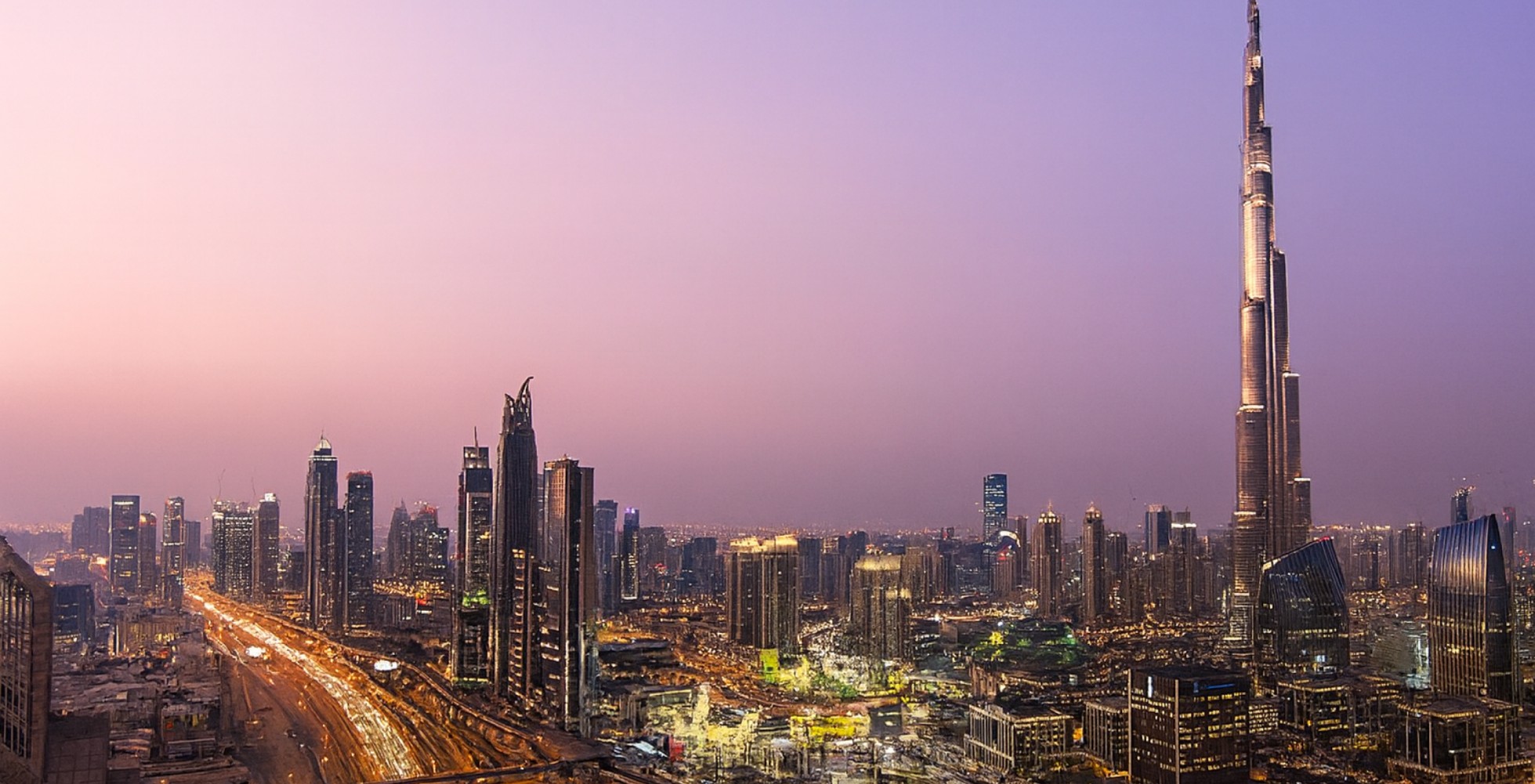
Learn how to invest in Dubai real estate in 2026 with market outlook, price correction insights, real yield benchmarks, and a step-by-step framework for smarter deals.


KEY takeaways
How to Invest in Dubai Real Estate: A Complete Step-by-Step Guide for 2026
Summary
Investing in Dubai real estate offers significant opportunities for capital appreciation and rental income. This guide provides a comprehensive step-by-step approach for prospective investors in 2026, covering market understanding, investment processes, and post-purchase management to ensure a successful venture.
Why This Matters
Dubai's real estate market continues to be a beacon for global investors, driven by its strategic location, robust economy, and investor-friendly policies. The emirate's proactive approach to economic diversification, coupled with its world-class infrastructure, makes it an attractive destination for property investment.
As of 2025, Dubai has seen consistent growth in property values and rental yields, outperforming many global markets. The government's vision for 2026 and beyond, including initiatives like the Dubai 2040 Urban Master Plan, further solidifies its long-term appeal.
This guide is crucial for navigating the complexities of this dynamic market, ensuring investors make informed decisions and capitalize on the immense potential Dubai offers. Understanding the nuances of property acquisition, legal frameworks, and market trends is paramount for securing profitable returns in this rapidly evolving landscape.
Understanding the Dubai Real Estate Market
Current Market Trends and Forecasts
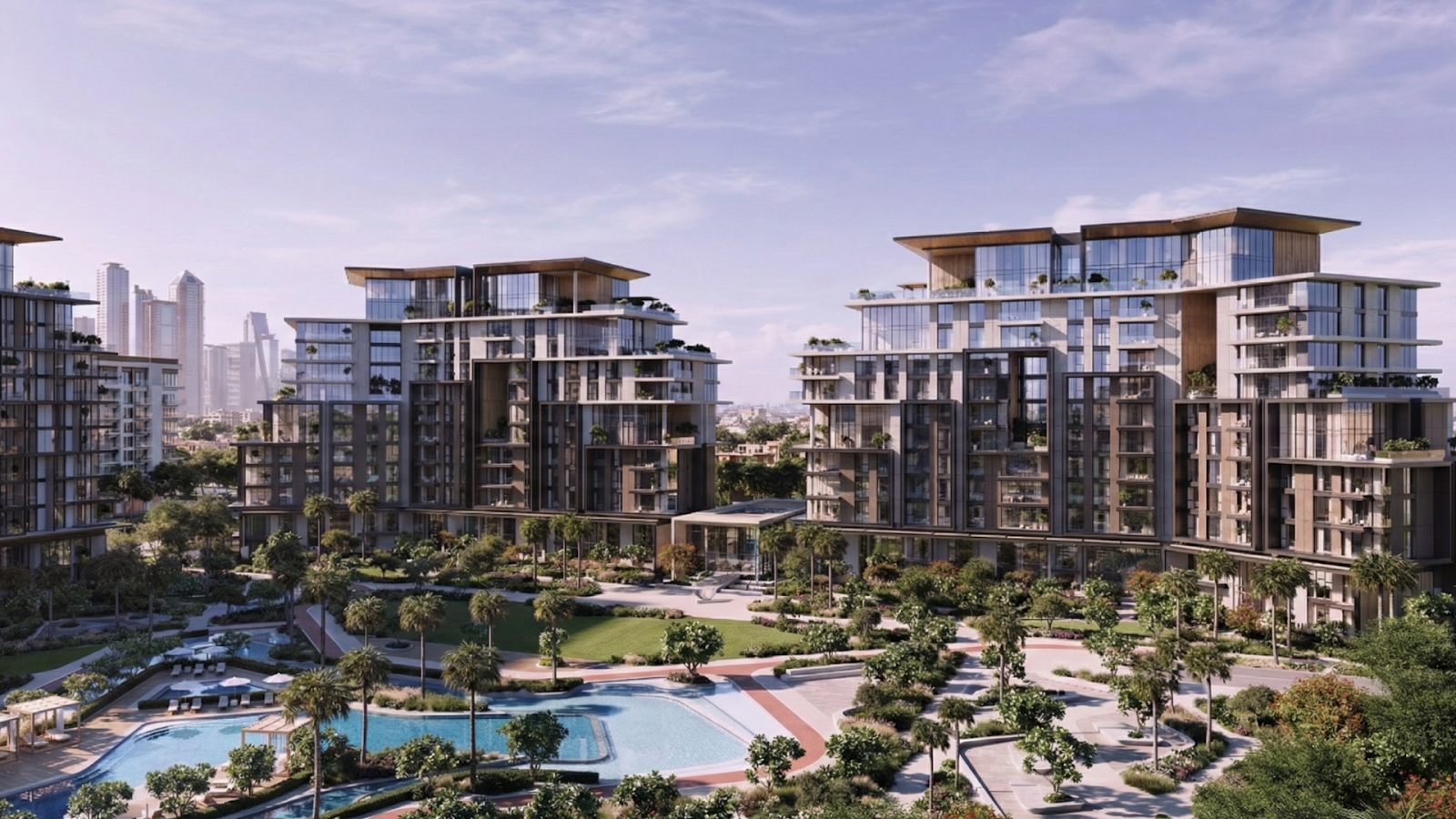
What’s happening right now (and what it means for you)
- More new homes are finishing in 2025–2026. Knight Frank’s Q1-2025 review shows a chunky supply pipeline through 2029; 2025 and 2026 are the busiest years on that chart. Translation: some neighborhoods with lots of similar apartments may see softer resale prices or slower rent growth as keys hand over. Focus on areas with real demand and limited competing stock.
- Prices could wobble before they settle. Fitch (via Reuters) expects up to a 15% dip stretching from late 2025 into 2026 after a multi-year surge. For long-term investors, dips are entry points if the fundamentals (location, quality, community) are strong.
- Long-term story still strong. Government planning (Dubai 2040), the Blue Line metro, and the Al Maktoum International Airport expansion are designed to support population and jobs, good for housing demand over time.
Key Investment Areas and Their Characteristics
Where should you look? (simple map by goal)
Prime & lifestyle (high demand, high price):
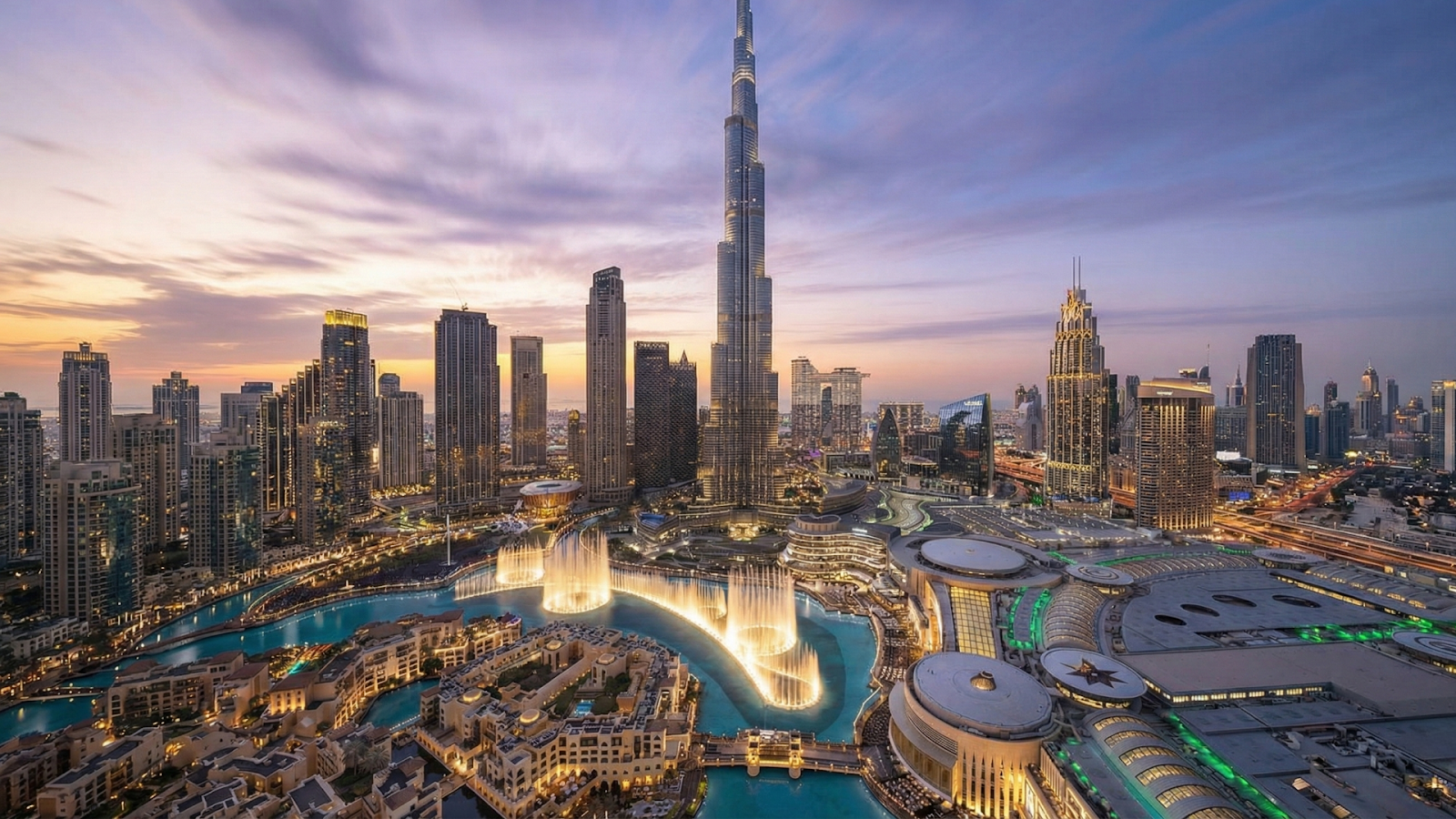
Downtown Dubai, Dubai Marina, Palm Jumeirah, Business Bay. Great for long-term liquidity and global tenant demand. Expect premium service charges; seek buildings with strong owners’ associations.
Value & family renting (bigger tenant pool):
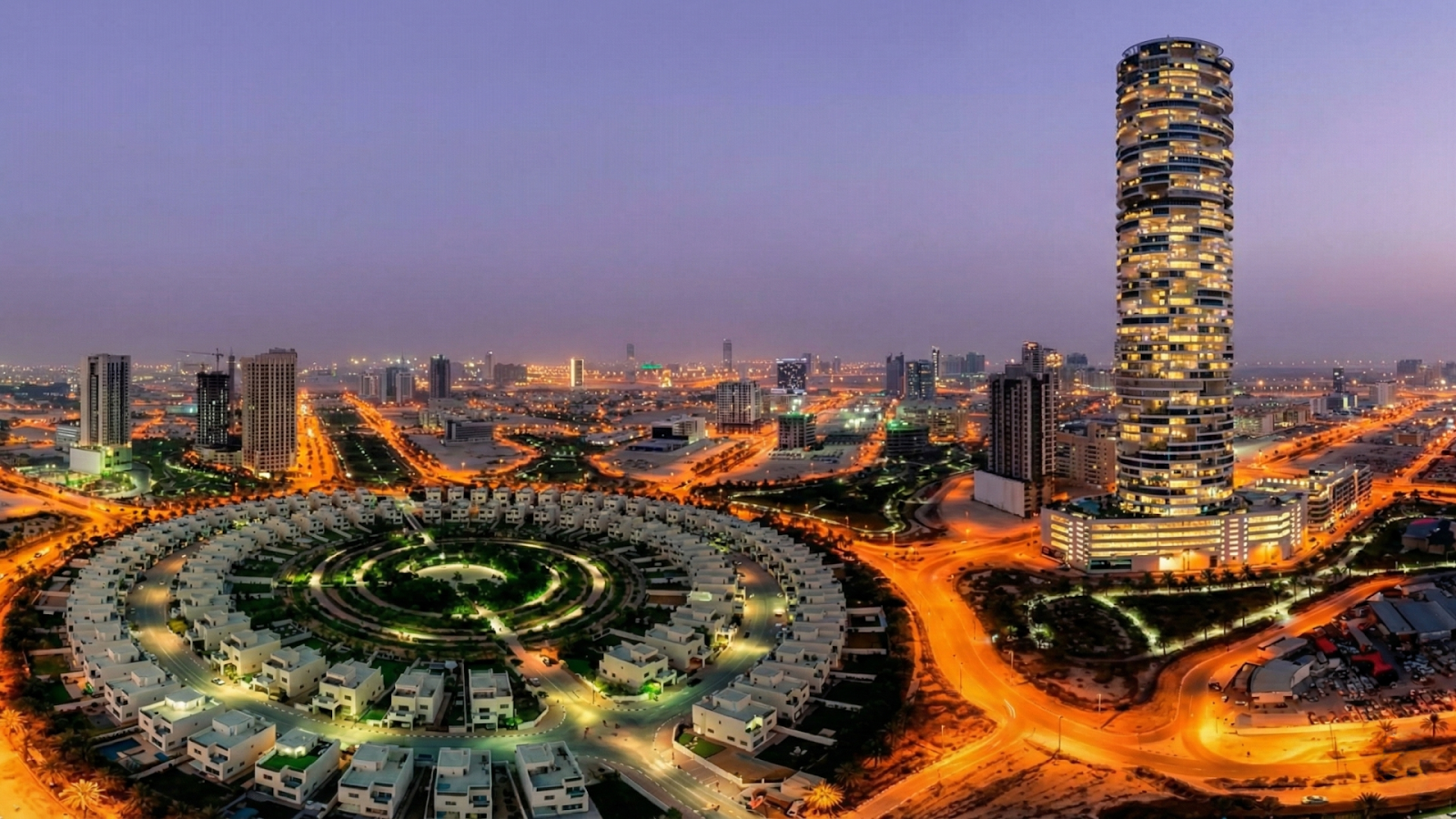
- Jumeirah Village Circle (JVC), Dubai Hills Estate, Al Furjan, Dubai Sports City. Usually more affordable entry prices and steady demand from residents. Good fit for “buy-to-hold” investors. (Citywide yields vary by area; Dubai commonly sits mid-single to high-single digits.)
Growth corridors (betting on new infrastructure):
- Dubai South & Emaar South (airport city), Dubai Creek Harbour, areas near the new Blue Line stations. You’re leaning on future connectivity and the airport plan, so invest in reputable developers at realistic prices.
Step-by-Step Investment Process
Step 1: Defining Your Investment Goals and Budget

Before embarking on your Dubai real estate investment journey, clearly define your goals. Are you seeking long-term capital appreciation, consistent rental income, or a combination of both?
Then set a total budget, not just the price tag. Add: 4% DLD fee, agency fee (often ~2%), valuation fee (if financing), mortgage registration (0.25% of loan), and service charges.
Having a clear financial plan is crucial for a successful investment.
Step 2: Arrange your financing (if you’re not buying cash)

Non-resident mortgages exist in Dubai. Many banks will lend to non-residents with down payments that often work out to 40–50% (some banks advertise up to ~60% LTV for eligible profiles). Get a pre-approval before you shop so you know exactly what you can afford.
Quick tip: Fix your currency plan early. If your income is in GBP/EUR and the AED (pegged to USD) moves, it affects your real cost and yield.
Step 3: Shortlist areas and properties

- List your “must-haves” (parking, balcony, transit, school access).
- Compare service charges (these are audited/approved and published via RERA systems; higher charges aren’t bad if the building is premium, but they must make sense versus rent).
- For off-plan: check developer track record, escrow details, and handover timelines on official channels.
Step 4: Run the numbers (keep it simple)

- Gross yield ≈ annual rent ÷ purchase price.
- Net yield ≈ (annual rent – service charges – management – insurance – expected vacancy) ÷ total cost.
Aim for a net yield you’re happy holding through ups and downs. Many Dubai sub-markets can deliver mid-single to high-single-digit gross yields; your net will be lower once costs are included.
Step 5: Due Diligence and Legal Considerations

Conduct a comprehensive due diligence once you have made your decision about the property. This includes:
- Verifying Ownership: Ensure the seller has clear title to the property.
- Checking for Encumbrances: Confirm there are no outstanding mortgages, liens, or legal disputes associated with the property.
- Reviewing Contracts: Carefully examine the Sale and Purchase Agreement (SPA) or Memorandum of Understanding (MOU) with the assistance of a legal professional.
- Obtaining No Objection Certificates (NOCs): These are required from the developer or master developer to confirm all service charges are paid and there are no outstanding issues.
Engaging a local real estate lawyer is highly recommended to navigate the legal complexities and protect your interests throughout the transaction.
Step 6: Completing the Purchase and Registration

The final steps involve completing the purchase and registering the property with the DLD. This typically includes:
- Signing the SPA/MOU: Once terms are agreed upon, both parties sign the agreement.
- Payment of Down Payment: As per the agreement, the initial payment is made.
- Transfer of Ownership: The property transfer is executed at the DLD, where all fees are paid, and the new title deed is issued in the buyer's name. This process ensures legal ownership and protects your investment.
Step 7: Mortgage registration (if financed)

Your bank issues the final offer; the mortgage is registered with DLD (0.25% of the loan), and your title shows the lender’s charge.
Post-Investment Management
Property Management Options
Once you own a property in Dubai, effective management is key to maximizing your returns and minimizing hassle. Investors have several options:
- Self-Management: Suitable for those residing in Dubai with sufficient time and expertise to handle tenant relations, maintenance, and administrative tasks.
- Professional Property Management: If you’re overseas or scaling a portfolio. They’ll market the unit, screen tenants, collect rent, handle maintenance and renewals, and keep your paperwork (Ejari, inspections) tidy.
Choosing a reliable property management company can ensure your investment is well-maintained and generates consistent income.
Rental Income and Capital Appreciation
- Rent: steady income.
- Capital growth: price appreciation over the years.
Citywide rental yields vary by area and building. Broadly, Dubai’s gross yields are often in the 5–8% (Source: Global Property Guide) band, with some pockets higher; your net depends on service charges and management costs.
Factors influencing rental income and capital appreciation also include property location, type, amenities, and overall market conditions. Areas with high demand for rentals and strong growth prospects tend to offer better returns.
Taxation and Repatriation of Funds
One of Dubai's most attractive features for investors is its favorable tax regime. Generally, there is no property tax, capital gains tax, or income tax on residential properties in Dubai (Source: Pwc Tax Summaries). However, certain fees and taxes apply:
- Dubai Land Department (DLD) Transfer Fee: A 4% fee on the property value, paid upon transfer of ownership.
- VAT: A 5% VAT applies (Source: Dubai Gov) to real estate-related services like brokerage and consultancy, and to commercial properties.
- Corporate Tax: As of June 1, 2023, a 9% corporate tax (Source: Tax.Gov) applies to annual profits exceeding AED 375,000 for businesses, which may impact income from real estate if held under a corporate entity.
Sending funds home: many investors can freely remit rental income and sale proceeds after settling dues. For example, NRIs can typically repatriate up to USD 1 million per financial year (Source: RBI) from NRO accounts (subject to documentation and taxes).
Data & Original Insight Box (2025–2026 at a glance)
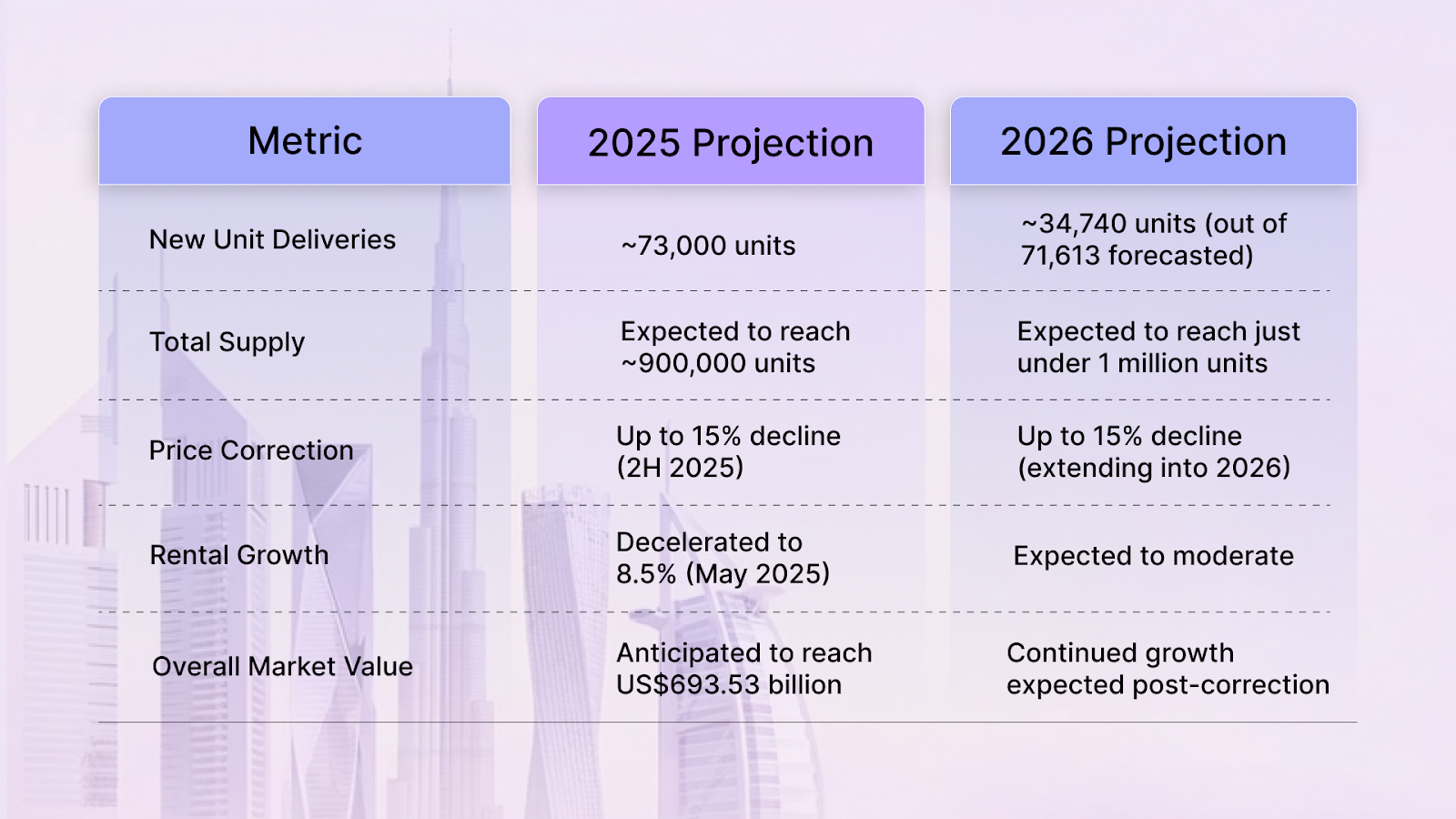
Dubai Real Estate Market Outlook: 2025-2026 Key Projections
The Dubai real estate market is poised for a period of adjustment in late 2025 and throughout 2026, primarily influenced by a significant increase in new property deliveries.
While the market has experienced substantial growth in recent years, with prices rising by approximately 60% from 2022 to Q1 2025 (Source:Fitch (via Reuters)) , forecasts suggest a potential moderation or correction.
Sources: Cavendish Maxwell (Dubai Residential Market Performance Q1 2025) ; Morgan’s International Realty (Dubai Residential Supply & Delivery Outlook) ; Fitch via Reuters ; Global Property Guide ; UAE market value projection via WAM/Statista .
Insight: The projected increase in housing supply, particularly from off-plan projects initiated during the recent boom, is a critical factor. While some analysts predict a price correction of up to 15% in late 2025 extending into 2026, this is largely viewed as a market adjustment rather than a crash. Long-term demand, driven by population growth and Dubai's economic diversification, is expected to stabilize the market post-2026.
Investor takeaway: 2026 is a “quality picker’s market.” Buy homes with strong rentability, realistic service charges, and proven developer quality. Avoid cookie-cutter units in oversupplied pockets unless the discount is meaningful.
Case Study/Example
Illustrative Example (Hypothetical)
This scenario is illustrative and not based on a single identifiable investor; numbers are simplified to show how to calculate yield and appreciation.
The Savvy Investor's Success in Jumeirah Village Circle (JVC)
Consider the case of an investor, Mr. Ahmed, who in early 2023, decided to invest in an off-plan one-bedroom apartment in Jumeirah Village Circle (JVC). JVC was chosen for its strategic location, affordability, and projected growth, offering a balance between rental yield and capital appreciation potential.
Mr. Ahmed purchased the unit for AED 850,000 (approximately $231,400 USD) with a payment plan spread across the construction period.
What happened:
- Upon completion and handover in late 2024, the property's value had appreciated to AED 1,100,000 (approximately $299,500 USD), representing a capital gain of over 29% in less than two years.
- This appreciation was driven by the increasing demand for affordable luxury in well-connected communities and the overall positive sentiment in Dubai's real estate market during that period.
- Mr. Ahmed then opted to rent out the apartment, securing a rental income of AED 70,000 per annum (approximately $19,000 USD), resulting in a gross rental yield of approximately 6.3% on the appreciated value.
The success of this investment can be attributed to several factors:
- Strategic Location: JVC's growing popularity and connectivity to major business hubs and attractions.
- Off-Plan Advantage: Purchasing off-plan allowed for a lower entry price and significant capital appreciation during the construction phase.
- Market Timing: Investing during a period of strong market growth and demand.
- Property Management: Engaging a professional property management company ensured consistent rental income and property upkeep.
This case illustrates the potential for substantial returns in Dubai's real estate market when informed decisions are made regarding location, property type, and market timing. It highlights how both capital appreciation and rental income can contribute to a highly successful investment portfolio.
(Past performance isn’t a promise—always run today’s numbers.)
Step-by-Step Checklist
Before searching
- Define goal (rent vs. growth vs. both).
- Get mortgage pre-approval (if needed).
- Set total budget (price + 4% DLD + mortgage reg. + valuation + agency + initial snag/furnishing).
While shortlisting
- Compare net yield (rent minus running costs).
- Check developer escrow/off-plan status (DLD/RERA).
- Review building service charges and owners’ association health.
When buying
- Lawyer review of SPA/MOU.
- NOC from developer; schedule DLD transfer.
- If financed: register mortgage (0.25%).
After handover
- Snag list; utilities; insurance.
- Lease + Ejari if renting; set renewal reminders.
- Track rent vs. costs quarterly; re-price annually.
FAQ Section
Q1: Can foreigners own property in Dubai?
Yes, foreigners can own freehold property in designated areas of Dubai, granting them full ownership rights. In other areas, long-term leasehold agreements are available. It's essential to consult with a real estate expert to understand the specific regulations for your desired location and property type.
Q2: What are the main costs associated with buying property in Dubai?
Key costs include the property purchase price, Dubai Land Department (DLD) fees (4% of property value), registration fees, real estate agency commissions, and potential service charges. For off-plan properties, payment plans are typically structured over the construction period, making it easier to manage finances.
Q3: Is it necessary to hire a real estate agent in Dubai?
While not strictly mandatory, engaging a reputable real estate agent is highly recommended. They provide invaluable market insights, assist in identifying suitable properties, negotiate on your behalf, and guide you through the complex legal and administrative processes, ensuring a smooth transaction.
Q4: What is the average rental yield in Dubai?
There isn’t one fixed “Dubai average”—yields vary by area and building costs. Knight Frank reports gross yields typically run ~5–7% for apartments and ~4.5–6% for villas/townhouses. Net yield will be lower after service charges and vacancy. Source: Knight Frank
Q5: Are there property taxes in Dubai?
Dubai generally does not impose property tax, capital gains tax, or income tax on residential properties. However, a 4% DLD transfer fee applies to property transactions, and a 5% VAT is levied on real estate-related services. Corporate tax may apply if the property is held under a corporate entity.
Q6: How can I repatriate funds from my Dubai real estate investment?
Repatriating funds from Dubai real estate investments is generally straightforward. Investors can freely transfer rental income and capital gains back to their home country after settling any applicable fees and taxes. It's advisable to consult with financial advisors, especially for non-resident investors, to ensure compliance with international regulations.
Q7: What are the risks of investing in Dubai real estate?
Risks include market fluctuations, potential oversupply leading to price corrections, and changes in regulations. However, Dubai's strong economic fundamentals, government initiatives, and continuous infrastructure development mitigate many risks. Thorough due diligence and professional guidance can help navigate these challenges effectively.
DEED's Take
Dubai is a rare market: transparent registration, strong infrastructure, and clear foreign-ownership rules. That said, 2026 rewards patience and quality.
Buy well-located homes that tenants actually want, from reputable developers, and price for the cycle—not the hype. When in doubt, cross-check everything on official DLD/FTA/MOF sources, and work with a RERA-licensed broker and a UAE property lawyer.
Where Deed Can Help
Deed is a DFSA-regulated property investment crowdfunding platform that lets investors participate in Dubai real estate opportunities made available on the Deed platform. You can:
- Review live property offerings listed on Deed (with key details, documents, and disclosed risks).
- Invest digitally in listed opportunities (starting from the platform minimum) and track ongoing updates.
- Access a regulated investment flow designed for transparency and investor disclosures.
Important: Deed does not provide individualized investment advice or property research services for properties not listed on the platform.
Explore more or get started here: startdeed.com
Conclusion
Investing in Dubai real estate in 2026 presents a compelling opportunity for both seasoned and new investors. While market adjustments are anticipated due to increased supply, the emirate's strong economic fundamentals, strategic vision, and investor-friendly environment continue to underpin its long-term appeal.
By understanding market trends, adhering to a meticulous step-by-step investment process, and leveraging professional guidance, investors can navigate the landscape effectively and unlock significant returns.
Ready to explore the potential of Dubai's real estate market? Take the first step towards a lucrative investment by consulting with a DLD-approved real estate expert today. Visit the official Dubai Land Department website for verified information and a list of licensed professionals to begin your journey with confidence.
Senior Growth, Marketing & Brand Manager | Elevating Brand Equity & Fueling Sales Growth Across Fintech, Proptech.
Signup to our newsletter!
Stay ahead with exclusive updates, insights, and opportunities delivered straight to your inbox.
Frequently Asked Questions

Start earning passive income today
Join thousands of investors building wealth through fully-managed rental properties.